1800 team

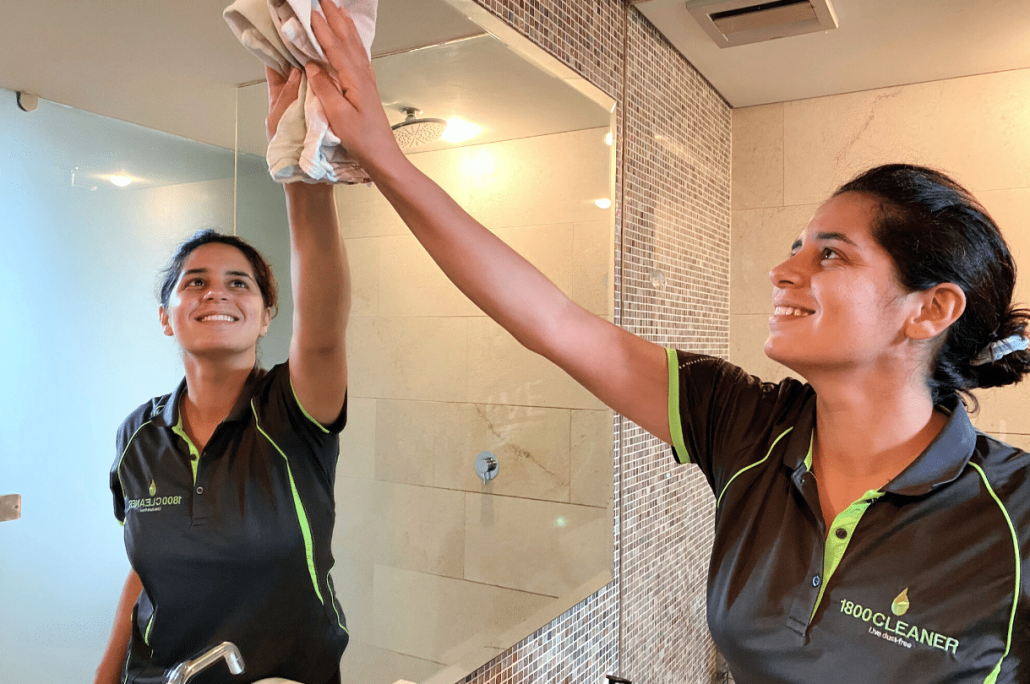
Cleaning jobs in Sydney – join the 1800 CLEANER team

Sydney, Australia, is full of life — from the vibrant café culture of the Inner West to the coastal calm of Bondi and Coogee. With homes and offices always on the move, there’s a constant demand for trusted, professional cleaners. At 1800 CLEANER, we’re expanding our team and looking for dedicated, detail-focused cleaners who want stable work, great pay, and a healthy, positive work environment.

If you’re searching for cleaning jobs in Sydney where you’ll be appreciated, supported, and trained to excel, this is the opportunity for you.


Why Cleaning Jobs in Sydney Are in Demand

Sydney’s growing population and busy lifestyle mean professional cleaning services are always needed — from sparkling homes in the Eastern Suburbs to tidy offices in the CBD. People trust 1800 CLEANER because we’re not just another cleaning company. We use a scientific, non-toxic cleaning system that’s been refined over 35 years and proven across 80,000+ cleans.

Our services include:

  • 12-Point Regular Clean – non-toxic fortnightly maintenance that keeps homes dust-free and easy to maintain.

  • 21-Point Spring Clean – a deep clean that removes up to 97% of fine particle dust down to 30 microns.

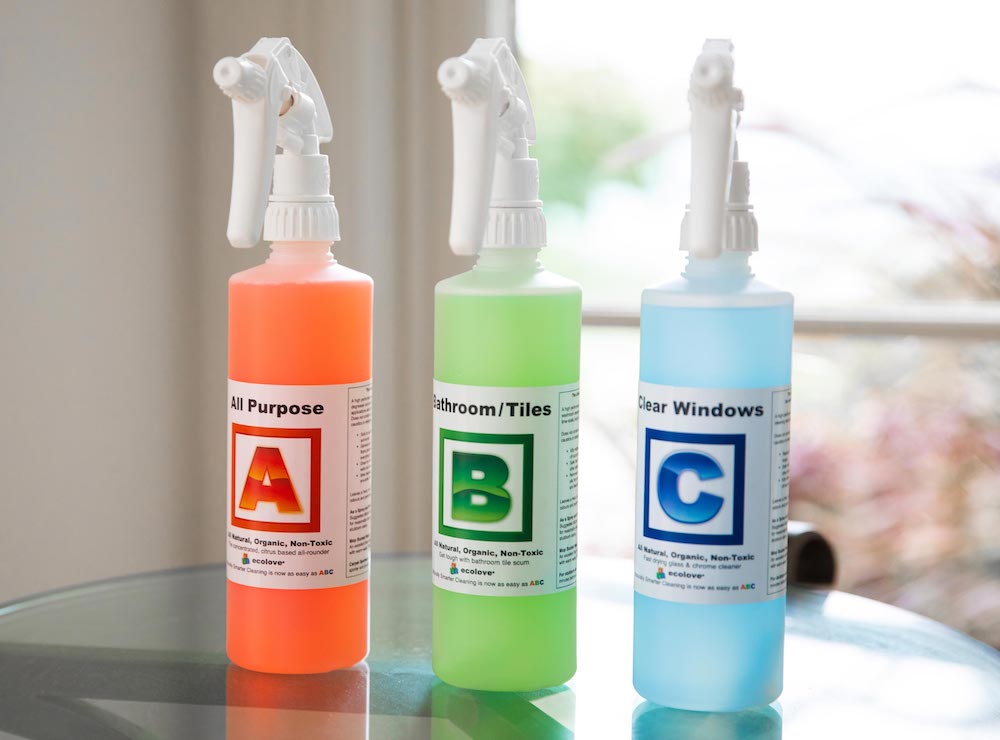
  • Builders Cleaning, Carpet Shampooing, Window Cleaning, and Decluttering – all using our own ecoLove™ non-toxic products.

When you work with us, you’ll learn professional-grade cleaning methods that make a real difference to people’s lives — especially those with allergies or asthma.


Why You’ll Love Working at 1800 CLEANER

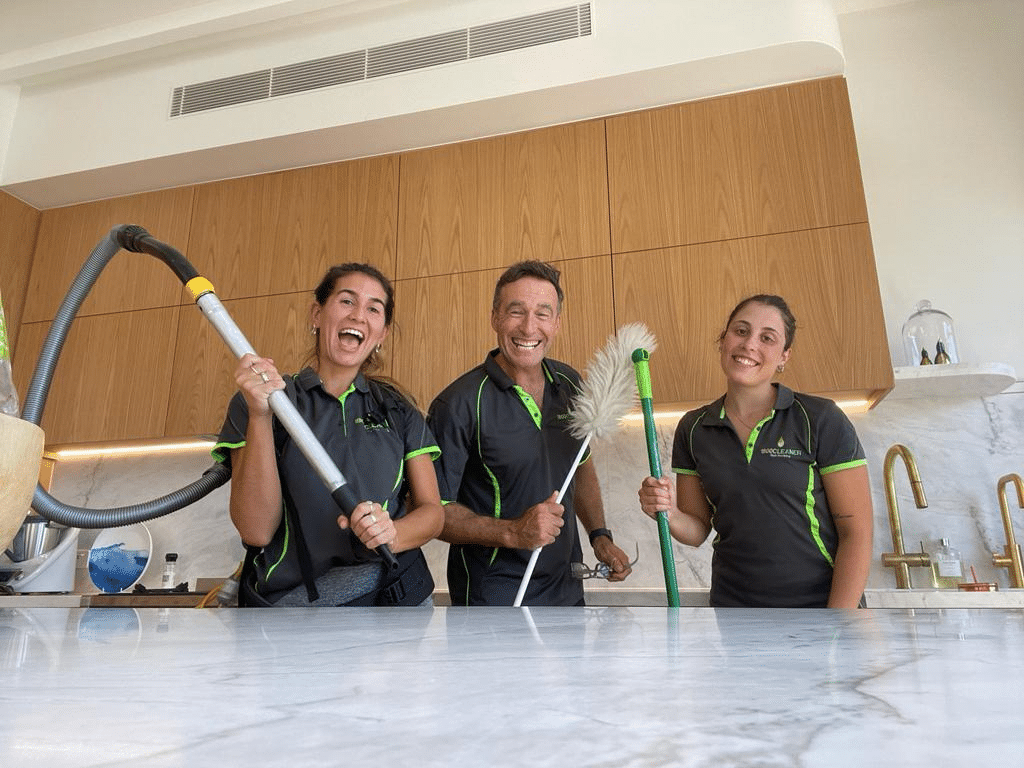
We’re not just hiring cleaners — we’re welcoming new members into a close-knit team that genuinely cares.

💚 Great Pay and Fair Conditions

Earn $37/hour (with a car) or $33.50/hour (without). A typical day pays between $260 and $350, and senior cleaners on our job-share system earn even more. Moreover, you’ll also receive performance and referral bonuses, rewarding your commitment and consistency.

💚 Real Work-Life Balance

Our cleaners work Monday to Friday, 8am–3:30pm, leaving evenings and weekends free. Consequently, it’s perfect for parents, students, or anyone seeking flexible weekday work.

💚 Supportive Team and Positive Culture

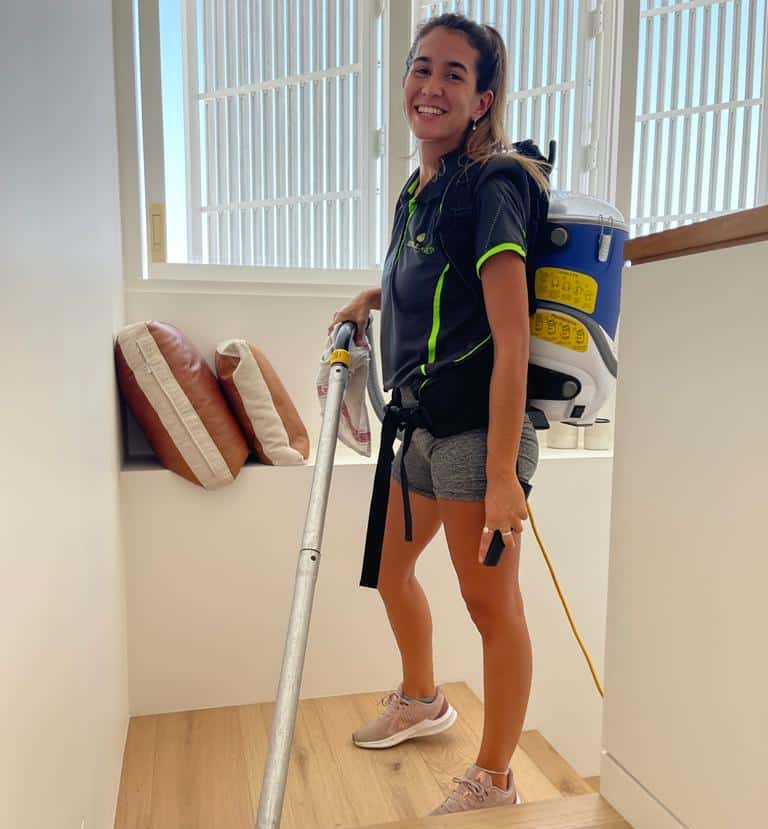
“The team actually cares about me,” says Fernanda, one of our team leaders. We foster kindness, loyalty, and teamwork through open communication and regular team events. Therefore, you’ll always feel supported and valued.

💚 Full Training and Equipment Provided

No experience? No problem! We provide hands-on training in non-toxic cleaning, HEPA filtration systems, and fine-dust removal techniques. Additionally, you’ll use our ecoLove™ cleaning range — gentle on you, our clients, and the planet.

💚 Career Growth and Stability

Start as a cleaner, grow into a team leader or trainer role, and enjoy consistent, well-organized runs across Sydney’s most beautiful suburbs — the Eastern Suburbs, Inner West, and North Shore. Consequently, you’ll always have steady work close to home.


What We Expect from You

We value character over experience. We look for people who live by our 9-R Values: Respect, Responsibility, Reliability, Resilience, and Reasonableness among them.

Ask yourself:

  • Are you hardworking and proud of a job well done?

  • Do you enjoy helping others and seeing the results of your effort?

  • Would you like stable work in Sydney’s nicest neighbourhoods?

If you answered yes — we want you on our team!

You’ll need:

  • An ABN (we can help you register)

  • Public liability insurance (we’ll guide you through setup)

  • A positive attitude and willingness to learn


Types of Cleaning Roles Available

We have a variety of roles suited to different strengths, ensuring you find the perfect fit.

  • Residential Cleaning Jobs in Sydney – create clean, fresh, dust-free homes for families using our 12-Point and 21-Point systems.

  • Commercial Cleaning Jobs – keep offices and workspaces spotless, helping Sydney’s businesses shine.

  • Specialised Roles – including builders cleaning, carpet shampooing, window cleaning, and decluttering for clients who value precision and care.

Every job uses ecoLove™ non-toxic products, ensuring our cleaners stay safe and healthy while delivering exceptional results. Therefore, you can take pride in offering an environmentally conscious service that truly makes a difference.


Hear What Clients Say About Our Team

Our cleaners consistently receive glowing feedback for their dedication and quality. Here’s what Sydney clients have shared:

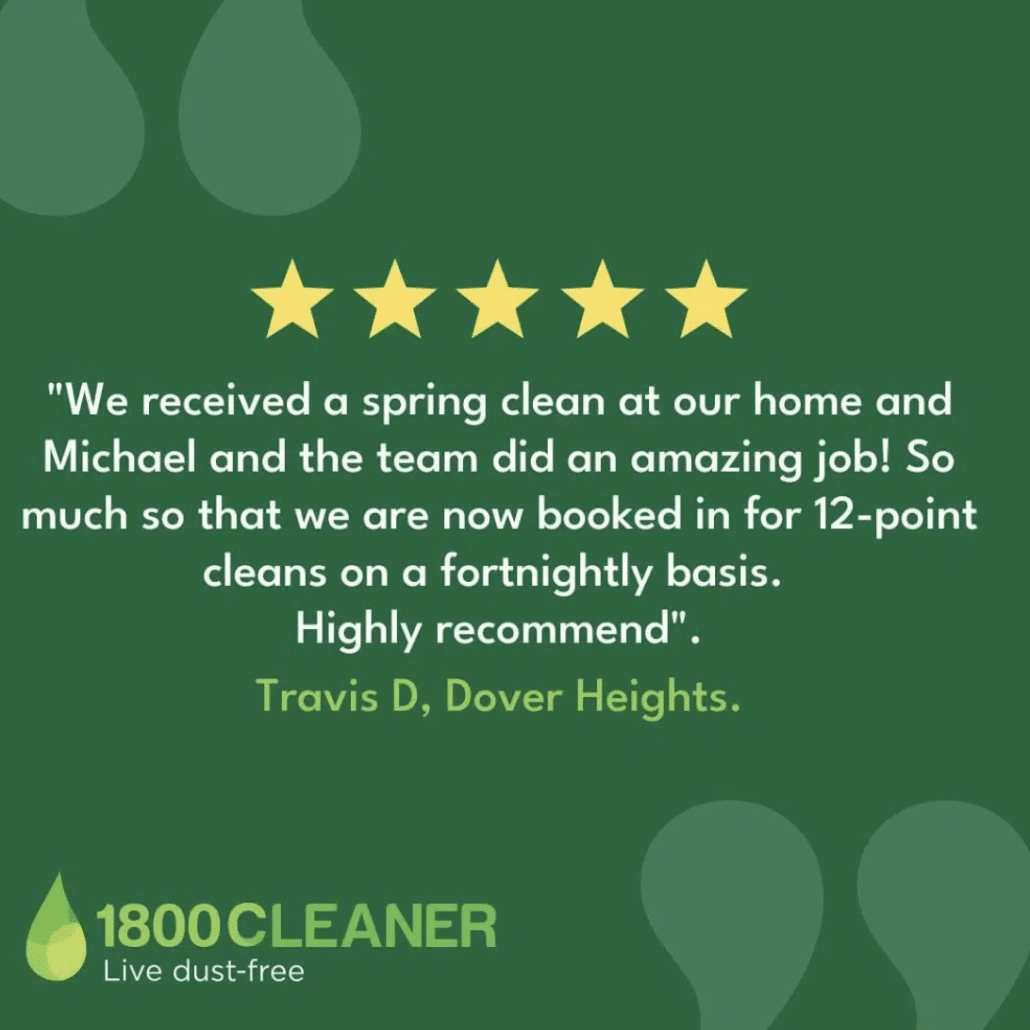
⭐⭐⭐⭐⭐ “Absolutely thrilled with the service from Michael and his team! My home is pristine and smells fresh — their attention to detail is unmatched.” – Belinda Jovanovska

⭐⭐⭐⭐⭐ “I hired 1800 CLEANER for a 21-point clean. The air feels fresher, my eczema has improved, and my home actually stays clean!” – Ayse

⭐⭐⭐⭐⭐ “Michael and his lovely team did an extremely thorough job with the 21-point, carpet, and window clean. We’re extremely happy with the result!” – Hugo Rydge

⭐⭐⭐⭐⭐ “Our cleaner Fernanda is punctual, discreet, and adds beautiful personal touches. The house is always left sparkling.” – Fran Strachan

These reviews demonstrate the pride our cleaners take in every home and the appreciation they receive from clients who value genuine care and quality.


How to Apply for Cleaning Jobs in Sydney

Ready to join our growing team? It’s easy to apply and start your new career.

  1. Complete the application form: [Insert application link]

  2. Email us: Send a brief note to [email protected] sharing your availability and why you’d love to work with us.

  3. Call us: Dial 0434 377 597 for a friendly chat with our hiring team.

  4. Get trained and start: Once onboarded, you’ll receive comprehensive training and your cleaning kit — ready to begin your new role.

Cleaning job benefits that come with working with 1800 CLEANER


Why Now Is the Perfect Time to Join

Sydney’s cleaning industry is booming, and 1800 CLEANER is leading the way with non-toxic, scientific cleaning that transforms homes and lives. Moreover, we offer a positive culture where hard work and kindness are recognised daily.

As Fernanda, one of our team leaders, says:

“Once the money is good, what really matters are the relationships and the feeling in the company.”

If you’re ready for a rewarding cleaning job in Sydney — one where you’re valued, supported, and part of something meaningful — apply today.

Join 1800 CLEANER and help us make Sydney shine, one dust-free home at a time.

📞 Call 0434 377 597 | 📧 Email [email protected] | 🌐 Visit 1800cleaner.com.au

domestic cleaning Bondi

More than just cleaning: what really makes a residential cleaning experience satisfying

When you think about hiring a residential cleaning service, what comes to mind?
Sparkling counters? Freshly vacuumed carpets? A faint scent of lemon polish in the air?
While those are all part of the end result, having a truly satisfactory home cleaning experience is about so much more than the physical act of cleaning. Behind every immaculate home is a surprisingly intricate operation — a network of processes, people, and planning that come together to create not just a clean house, but a seamless, stress-free experience for you.
Let’s pull back the curtain and look at what’s really involved.

The First Step: Booking Made Simple

Before a single mop touches the floor, the cleaning experience begins with booking.
A smooth booking process isn’t just a convenience — it’s the first signal that you’re in good hands.
•Clear communication: You should be able to easily see available dates, pricing, and what’s included in the service.
•Multiple booking options: Whether you prefer online scheduling, a quick phone call, or even texting, flexibility matters.
•Prompt confirmation: Immediate confirmation reassures you that your request is locked in and the team will be there as promised.
The admin team is the unsung hero here — they handle scheduling logistics, match cleaners to jobs based on availability and skillset, and make sure there’s enough time allotted for each unique home.

Secure Payment and Trust

Hiring a cleaning service means letting people into your personal space, so trust is everything. That trust starts with something as simple — yet vital — as payment security.
•Encrypted payment processing protects your credit card details.
•Clear policies prevent misunderstandings about pricing or cancellations.
•Transparency in billing ensures no hidden surprises.
It’s not glamorous, but the back-end financial system is a critical part of making you feel safe and respected as a customer.

The Pre-Cleaning Preparation

A great cleaning experience doesn’t start when the team arrives — it starts long before. Professional cleaners and admin staff spend time preparing so your session is as efficient and stress-free as possible.
•Reviewing your job sheet: A good company keeps a detailed record of your requests — from “don’t use bleach on the marble” to “be careful with the antique mirror in the hallway.”
•Special instructions: Maybe you need the windows done, or the oven deep cleaned. Or perhaps your cat is an escape artist — your cleaners will be on high alert for any sudden furry dashes toward the door.
•Supply check: Many professional cleaners bring their own eco-friendly products, but they’ll also note any specific items you’d like them to use.
These prep steps might seem invisible, but they’re the difference between an average clean and an exceptional one.

The Human Factor: Team Selection

Cleaning is a skill, but it’s also a service — which means people skills are just as important as polishing skills.
Good cleaning companies pay close attention to team selection:
•Matching cleaners to clients: Some customers prefer a consistent cleaner so there’s familiarity and trust. Others are fine with different team members as long as the quality remains consistent.
•Background checks and training: Safety and professionalism should never be negotiable.
•Specialization: Some cleaners excel at deep cleans, others at quick turnarounds — assigning the right person to the right job matters.
Behind the scenes, a lot of thought goes into who actually walks through your front door.

Arrival and First Impressions

When the cleaners arrive, their professionalism sets the tone:
•Punctuality: Respecting your time is non-negotiable.
•Friendly introduction: Even if it’s just a smile and a quick hello, it matters.
•Clarity on scope: The team should confirm what’s being done before they start.
This initial moment is where customers often decide if they feel comfortable.

The Cleaning Process Itself

Here’s where the magic happens — but even during cleaning, there’s more going on than meets the eye.
•Following a system: Experienced cleaners have a flow that maximizes efficiency and thoroughness — often starting high and working down so dust doesn’t fall on freshly cleaned surfaces.
•Attention to detail: Anyone can vacuum; not everyone notices the baseboards, door handles, and light switches.
•Respecting your space: A great cleaner treats your home as if it were their own. That means careful handling of fragile items, moving furniture back into place, and ensuring everything is left tidy.
The process isn’t just about dirt removal — it’s about creating an environment where you feel comfortable and cared for.

Customer-Specific Touches

Every home and homeowner is different, so personalization is key.
•Pet-friendly protocols: From ensuring doors and windows are secure to using non-toxic cleaners safe for animals.
•Custom product requests: If you prefer vinegar over chemical sprays, a good company adapts.
•Lifestyle consideration: Some clients want a spotless home before hosting a dinner party, others before moving out. The cleaning plan should reflect your specific situation.
These small touches transform cleaning from a chore into a tailored experience.

Post-Clean Walkthrough and Feedback

The session doesn’t end when the vacuum turns off. Many top-tier cleaning services offer a walkthrough before they leave.
•Spot checks: Ensuring nothing was missed.
•Final touches: Wiping down an extra surface, fluffing pillows, straightening rugs.
•Open feedback loop: Encouraging customers to point out any concerns on the spot, so they can be addressed immediately.
Great cleaning companies don’t just do the job — they verify it meets expectations.

Follow-Up and Continuous Improvement

The cleaning experience is also shaped by what happens afterward.
•Follow-up messages or calls: A quick “How was everything?” shows commitment to service.
•Incentives for loyalty: Discounts for recurring bookings, referral bonuses, or seasonal specials.
•Openness to change: If you want something done differently next time, your feedback should be welcomed and acted upon.
A single cleaning can make you happy, but consistent quality is what keeps customers coming back.

The Invisible Coordination Behind the Scenes

When you see your home looking pristine, you might not think about the operational choreography that made it happen.
A cleaning business often has:
•Admin staff managing schedules, rescheduling last-minute changes, and handling payments.
•Inventory managers keeping track of cleaning products, tools, and vehicle maintenance.
•Training coordinators ensuring every cleaner is up-to-date on techniques, safety, and customer service.
•Team leaders who mentor new cleaners and maintain quality control.
Like a stage production, a flawless performance only happens because of the hours of unseen preparation.

Why All This Matters to the Customer

You might wonder — does it really matter how the company organizes itself, as long as the house is clean?
Yes. Here’s why:
1.Peace of mind: You know you can trust the people entering your home.
2.Time savings: The process is so smooth, you don’t have to micromanage.
3.Consistency: Each visit delivers the same high standard.
4.Reduced stress: No scrambling to confirm details or fix errors.
A successful home cleaning experience is less about scrubbing and more about removing stress from your life.

The Future of Residential Cleaning

The industry is evolving, with technology and customer expectations pushing for even smoother experiences.
•Online portals and apps: Customers can track cleaner arrival times, request add-ons, and pay instantly.
•Eco-conscious products: More companies are prioritizing environmentally friendly cleaning solutions.
•AI-assisted scheduling: Predictive systems ensure the right cleaner is assigned to each job based on past performance and customer preferences.
The future looks like faster booking, greater customization, and an even higher level of trust.

Final Thoughts

A satisfactory residential cleaning experience is a lot more than just cleaning. It’s the sum of dozens of moving parts — from the way you book, to how your payments are handled, to the care taken in understanding your home’s unique needs.
The next time your home is spotless after a professional cleaning, remember: you’re not just seeing the results of elbow grease. You’re seeing the outcome of careful planning, good communication, skilled people, and a system designed entirely around making your life easier.
In the end, the best cleaning companies don’t just clean your home — they protect your time, your comfort, and your trust.
apply our renowned deep‑cleaning philosophy to the washing‑tiles method

1800 CLEANER’s principles when washing tiles

 Here’s how we at 1800 CLEANER apply our renowned deep cleaning philosophy to washing tiles. 

Why washing trumps wiping

Wiping often spreads dirt and grime, especially on difficult surfaces like tiles and grout. In contrast, washing involves to actively scrub and rinse, which removes contaminants more effectively. This approach is particularly beneficial for eliminating soap scum, mildew, and bacteria that can accumulate in moist bathroom environments.

Our tile washing method

  1. Our science driven, non-toxic formula

We use our proprietary ecoLove™ bathroom tile cleaner, a citrus based thickened formula designed to tackle soap scum, body oils, mildew, and odor causing bacteria. It clings to tile surfaces for maximum dwell time, yet remains non-toxic, biodegradable, and safe for families, pets, and the environment. Even diluted at 50%, it delivers exceptional cleaning performance.

  1. Microscopic cleanliness, not surface-level only

Our cleaning system is built around the 21‑point and 12‑point checklists. This ensures every surface – from tile to grout to air vents – is cleaned rigorously. This approach removes up to 97% of micro dust and contaminants down to 30 µm, eliminating the “dust-drop” effect that typical wiping leaves behind.

  1. Precision tools, gentle chemistry

Rather than mops or wipes, we use scrub brushes and grout tools for each tile—floor and wall alike. This tool based approach aligns with our philosophy: no shortcuts, just effective and safe techniques that reach deep into grout and textured surfaces. And we avoid harsh chemicals entirely.

  1. Section-by-section washing and methodical rinse

We clean top to bottom, section by section, applying ecoLove™ to tile surfaces, allowing dwell time, then scrubbing thoroughly. Importantly, rinse water is emptied and renewed to prevent any recontamination. We immediately squeegee each cleaned section and follow with a microfiber dry. Just like our air cleaning and dust lifting protocols, only for wet surfaces.

  1. Routine maintenance and deep transitions

Our cleaning schedule is smarter:

  • Spring or 21‑point deep cleans reset your environment for maximum dust-free health by addressing stubborn buildup.
  • Monthly or fortnightly interim cleans maintain standards without reintroducing contamination.

We mirror this in tile care: a full scrub and rinse session monthly, with weekly spot washing for upkeep and post shower squeegees to prevent soap scum.

Step-by-step tile washing 

  1. Prep and dust
    We clean the air, remove mats and supplies, vacuum or dust surfaces to eliminate loose debris—just as we ionise and vacuum micro-dust from homes.
  2. Apply ecoLove™ cleaner
    We spray tile surfaces generously, top to bottom, and allow a dwell time of at least 5 minutes to break down soap scum and oils.
  3. Tile-by-tile scrubbing
    Using scrub brushes suited for walls and grout tools for lines, we methodically scrub each tile and joint.
  4. Rinse section by section
    We rinse with fresh warm water, to ensure no residue remains. Dirty water is never reused—mimicking our air-cleaning protocols where contaminants are fully removed.
  5. Squeegee and microfiber dry
    Every section is immediately squeegeed, then wiped dry with lint free microfiber cloths to prevent streaks.
  6. Fixture and glass care
    While tile cleaning dwell occurs, we spray sinks, toilets, tubs, and mirrors with our ecoLove™ all-purpose or clear-window formula. These are scrubbed, rinsed, and dried with microfiber as well—reflecting our multi surface, allergy safe regimen .

 1800 CLEANER philosophy

  • We aim for microscopic purity, not just visible cleanliness. Our tile washing process ensures deep sanitisation on par with our air-cleaning results.
  • We use ecoLove™ — safe, biodegradable, yet incredibly effective at removing grime without harsh chemicals, aligning with our green ethos .
  • We employ a smart, tool first workflow rather than wiping or mopping – maximising surface contact and eliminating hidden grime.
  • We enforce routine cleaning cycles: full wash every month and upkeep washing weekly, mirroring our dust-free cleaning schedule to sustain long-term cleanliness.

Our bathroom tile washing checklist 

Task

Purpose

Ventilate & dust/vacuum

Remove loose debris before wet cleaning

Apply ecoLove™ cleaner

Clings to grime and disinfects surfaces

Tile-by-tile scrub

Dislodge buildup in tiles and grout

Rinse with fresh water

Prevent residue and re-depositing contaminants

Squeegee & dry with microfiber

Prevent water spots, streaks, and mold formation

Clean fixtures & glass

Complete sanitisation of bathroom fixtures

Routine maintenance (weekly or monthly)

Sustain the deep clean standard over time

Looking to transform your space with expert workers? Tilers Perth offers professional tiling services backed by years of experience and a reputation for quality.

At 1800 CLEANER, our tile washing routine is more than cleaning—it’s science backed hygiene cleaning. Every application of ecoLove™, every scrub, rinse, and dry is designed to uphold our dust-free, toxin free, allergy safe mission. When we clean your bathroom this way, we don’t just make it look cleaner—we make it healthier.


Pristine Bathroom Cleaning with 1800 CLEANER

The price-quality paradox in residential cleaning

Let’s say I’m in the market for a new car. I walk into a dealership with a budget of $25,000—realistically, I’m shopping for a reliable Kia, an MG, or maybe a used Holden Barina.

Now, imagine I decide to walk into a Ferrari showroom and demand they sell me a brand-new Ferrari for my $25,000 budget. It’s a car after all. What do you think would happen?

Best-case scenario: they politely show me the door. Worst-case: they call security… or a psychiatrist.

Sounds ridiculous, right?

And yet, this kind of scenario plays out every single day in the Australian residential cleaning industry.

Customers call or email cleaning businesses with champagne expectations—deep cleans, attention to detail, fully insured professionals, high-grade equipment—on a beer budget. They want Ferrari results, but they only want to pay Holden prices. When they don’t get the outcome they imagined, they’re frustrated, angry, and disappointed.

Here’s the hard truth: quality comes at a cost.

Running a reputable cleaning business involves far more than a mop and bucket. It involves trained staff, insurance, compliance, professional-grade products and equipment, fuel, admin, and more. All of that has to be covered in the quote we give.

So when someone says, “But I can get it cheaper,” they’re not wrong. You can get it cheaper. Just like you can buy a cheaper car. But would you expect a $5,000 car to drive like a $500,000 one?

Choosing the cheapest cleaner often means sacrificing consistency, safety, reliability, and yes, actual cleanliness. And when the job inevitably falls short, people are left with the same feeling they’d have after driving off in that “bargain” car that breaks down 10 minutes later: disappointed and out of pocket.

So next time you’re shopping for cleaning services, ask yourself: Do I want the Ferrari experience, or am I happy with the Barina? And if you want premium service, be prepared to pay for the expertise, care, and results that come with it.

Because in cleaning—as in life—you get what you pay for.

1800 CLEANER team

Residential Cleaning: the perpetual battle between capital and labour

In the realm of residential cleaning, the dynamics of capitalism play out in both visible and invisible ways. Most of our clients genuinely value the human beings who enter their homes. They respect their time, treat them with dignity, and work with our company to support their wellbeing. They understand that behind every spotless kitchen and polished floor is a real person—someone who deserves fair pay, stability, and respect.

But today, I want to talk about a different kind of client. Thankfully, they’re rare. But when they appear, they cast a long shadow over our industry.

These are the clients who believe that capital—not labour—is the most important of the four classical pillars of capitalism: land, labour, capital, and enterprise.

Let’s unpack that.

Capital vs. labour: a simplified arena

In residential cleaning, “land” is irrelevant—we work within clients’ homes. “Enterprise”—the entrepreneurial spark that started the business—also isn’t the focus here. That leaves two forces: capital and labour.

This is where the tension begins.

The Capital-First Mindset

A certain mindset—again, thankfully uncommon—views cleaners not as professionals, but as instruments. Under this view, capital holds primacy: money drives the relationship, and labour should orbit it gratefully, simply because it exists.

Dangle a dollar, the thinking goes, and someone desperate enough will stretch to catch it—regardless of how far they must bend, or how much dignity they must sacrifice.

This mindset breeds exploitation dressed up as opportunity. It expects flexibility on demand, cancellations without consequence, or additional tasks without additional pay. It questions hourly rates as if cleaning were unskilled work—ignoring the reality that this job demands physical endurance, precision, emotional labour, and reliability.

But this isn’t just about entitlement or rudeness. It reflects a deeper misalignment in values.

Labour is not an afterthought

Labour is not a secondary input. Labour is the engine. Cleaners are not robots chasing coins like mice after cheese. They are individuals who plan their days, care for families, manage fatigue, and take pride in their work.

To believe capital should always dominate labour is to ignore the humanity of those who make daily life possible. It erases early starts, sore backs, missed meals, and the satisfaction of a job well done.

The real cost of devaluing labour

When clients treat labour as cheap, expendable, or endlessly flexible, they erode the foundations of a sustainable industry. This leads to burnout, high turnover, and a workforce made more precarious—just when it should be empowered.

The irony? Capital without labour produces nothing. A client may have money, but if no one is willing—or able—to do the work under fair conditions, what is that capital really worth?

A better way forward

The good news is that most clients understand this. Many go out of their way to be respectful, kind, and generous. They offer a glass of water, ask about their cleaner’s day, and treat them like the professionals they are.

These clients are not just “nice”—they are essential. They are helping us build a more ethical and sustainable industry.

To those who still see capital as king, we offer this reminder: money may start the transaction, but respect and fairness are what make it worth continuing.

Cleaning is not charity. Nor is it servitude. It’s work—real, skilled, and valuable. And it’s time we all treated it that way.

Matching expectation to reality: the job sheet system


To help manage this dynamic, we’ve developed a job sheet system that scientifically maps client expectations to cleaner deliverables. In nine out of ten cases, this system works beautifully. It filters out mismatched expectations before they become conflicts.

Here’s the simple truth: If a client cannot articulate what they expect, agree on a reasonable timeframe, and accept a fair cost—they are unlikely to ever be satisfied.

Ironically, these clients are the ones who remain perpetually dissatisfied. They chase a mythical cleaner—someone desperate yet diligent, eager to please yet easy to exploit. But this cleaner does not exist.

And so, these clients stay trapped in a revolving door of unmet expectations, disappointment, and unclean homes—destined, perhaps forever, to never be satisfied.

Why does dust float?

Why does dust float?

When I knew I was becoming a father for the first time I felt an innate compulsion to nest. And so I got to cleaning the house. As someone who may well have a compulsive personality, I could not get it quite clean enough. I became obsessed with the fact that whatever I did the fine particle dust would return and I could never get the house perfectly dust-free.

I believe it was providence that at this time I was running an advertising agency. My task involved understanding a clients product and marketing problems intimately. Here too my OCD was of great use and I would research a subject right down to the bottom and would in most cases find a solid marketing solution.

But when I applied my advertising and researching obsessions to the problem of dust, I tumbled down a steep and dark rabbit hole. I ventured into the miraculous world of the microscopic, and discovered a region that appeared to have been unmapped. At that time, the problem of why dust reappears so readily in indoor environments had not even been described properly. And so this region of new knowledge and this problem in particular needed a term to describe it. And thus the “dust-drop” effect entered the lexicon.

The “dust-drop” effect

The “dust-drop” effect describes the phenomenon by which dust seemingly reappears within days after the cleaning is completed. This phenomenon was at this time simply not understood and so people assumed it was new dust coming in from outside the structure. In fact, we discovered it’s not new dust at all primarily, but rather the same dust re appearing because it was never removed in the first place. It was simply recirculated. But because the dust is so fine that the human eye can not see it, we don’t know what we don’t know.

Why does dust float?

Dust floats because its particles are extremely small and lightweight, allowing them to stay suspended in the air with minimal upward airflow. Here’s a breakdown of the key reasons:

  1. Tiny particle size: Dust is made of fine particles (like skin cells, fabric fibers, pollen, etc.), which have a low mass and high surface area, making them easy to lift and keep airborne.
  2. Air currents: Even slight movements in the air – like walking through a room, a fan spinning, or warm air rising—can stir up dust and keep it from settling.
  3. Brownian motion: For very tiny particles, random collisions with air molecules cause them to jiggle and stay suspended longer.
  4. Electrostatic charge: Some dust particles carry a static charge that helps them cling to surfaces or remain suspended in the air. It also repels the paerrticles from each other, ensuringh they do not “clump” mid air which would make them heavier en masse.
  5. Drag: Drag acts upwards on a falling body and gravity acts downwards. Because these particles are practically weightless, and because of static electricity, these miniscule particles are also individuated, and so they often seemingly float upwards and often for many days before settling again.

Eventually, when the air becomes still or the particles become too heavy (especially when clumped together), they settle on surfaces – until the next disturbance stirs them up again.

How to clean you air conditioner filters

Cleaning for health: The vital importance of indoor air quality

Our lungs serve as a direct link to our bloodstream, making the quality of the air we breathe a critical factor in our overall health and well-being. In our fast-paced modern world, we often overlook an essential aspect of our health – indoor air quality. The average person today spends much time indoors – much of that in their homes. When sleep is factored in, many of us are effectively spending about one-third of our day within our indoor environments. For those who work in offices, it can often feel like we live two-thirds of our lives inside four walls. This increasing indoor existence raises an important question: How clean is the air we breathe inside our homes and workplaces?

Understanding indoor air quality

Understanding Indoor Air Quality Indoor air quality (IAQ) refers to the condition of the air within and around buildings, particularly as it relates to the health and comfort of occupants. The Environmental Protection Agency (EPA) emphasises that indoor air can be more polluted than outdoor air, often significantly so. The implications of this can lead to a range of health issues, including respiratory problems, allergies, and other serious illnesses.


What contributes to indoor air pollution?

Indoor air pollution is generated by various sources, which can be categorised broadly into several categories:

  1. Volatile Organic Compounds (VOCs): Commonly found in household products such as paints, cleaning agents, and air fresheners, VOCs can evaporate into the air and be inhaled, posing health risks in the short and long term.
  2. Mould and Mildew: High humidity levels can lead to mould growth within homes, resulting in significant health risks, especially for individuals with asthma or compromised immune systems.
  3. Particulate Matter: Dust, pet dander, and even tiny particles from combustion sources can enter the air we breathe and cause respiratory issues.
  4. Radon: A naturally occurring gas that can seep into homes from the ground, radon is a leading cause of lung cancer among non-smokers.
  5. Pesticides and Chemicals: These substances, often used for pest control in homes, can linger in the air and contribute to air quality degradation.
  6. Human and pet skin scales and dander. This one is so underrated, but in our view it’s a big one. Not only are the micro pollutants that come from our skin scales and those of our parts hyperallergenic in their own right, but they feed dust mites and contribute to toxic levels of dust mite faeces and cast skins, which are in our view, a major contributor to dust allergies. And they are ubiquitous in indoor human living environments.

By understanding these factors, we can take deliberate steps to improve air quality in our homes and workplaces, ultimately leading to a healthier living environment.

The importance of maintaining clean indoor air

With the myriad of pollutants present in indoor environments, maintaining quality indoor air has become increasingly crucial. The repercussions of poor indoor air quality often go unnoticed until health issues arise. Here are several reasons why clean air is vital.

Reduces Health Risks: Clean air minimises the risk of various ailments, including respiratory diseases, headaches, fatigue, and eye irritation. Long-term exposure to poor air quality can also lead to more severe health conditions, including heart disease.

Enhances Productivity: For those working in office settings, air quality has a direct impact on cognitive performance. Studies have shown that cleaner air can lead to improved focus, creativity, and overall productivity.

Promotes Better Sleep: Air quality affects our sleep patterns. Clean air can help improve the quality of our sleep by reducing allergens and other irritants that can disrupt a restful night.

Supports mental well-being: There is growing evidence of the connection between air quality and mental health. Clean air can help alleviate anxiety and promote a sense of well-being.

Tips for improving indoor air quality

Improving indoor air quality doesn’t have to be complicated. Here are some practical tips you can implement to ensure cleaner air in your living and working spaces:

  1. Ventilate Regularly: Engage in natural ventilation by opening windows and doors when weather permits. Airing out the space can help dilute indoor pollutants.
  2. Use Air Purifiers: Invest in high-efficiency particulate air (HEPA) filters that can trap allergens, dust, and other toxins floating in the air. Make sure to choose an air purifier suitable for the size of your room.
  3. Keep Spaces Clean: Regular vacuuming and dusting can help reduce the buildup of dust mites, pet dander, and other airborne particles. Opt for a vacuum with a HEPA filter for the best results.
  4. Control Humidity Levels: Maintaining indoor humidity between 30-50% can mitigate mould growth and dust mites. Using dehumidifiers or air conditioners can help achieve this balance.
  5. Choose Low-VOC Products: When purchasing paints, furnishings, or cleaning items, look for products labelled as low in VOCs or no-VOCs. This small change can significantly impact air quality.
  6. Regular HVAC Maintenance: Ensure that your heating, ventilation, and air conditioning systems are regularly maintained and cleaned. Replacing filters and cleaning ducts can drastically improve air quality.
  7. Houseplants: Some indoor plants can naturally purify the air by absorbing toxins. Consider incorporating plants like spider plants, snake plants, or peace lilies into your space.

The role of awareness and education

Increasing awareness about the importance of indoor air quality is essential. Community programs and educational campaigns can help inform the public about the sources and risks of indoor air pollution. Employers can also play a pivotal role in fostering a culture of health, ensuring that employees are educated about air quality and the importance of maintaining it in the workplace. Schools, too, should prioritise air quality, as children are particularly vulnerable to the effects of pollution. Educating the next generation about air quality can encourage lifelong habits of health and vigilance.


Research and studies on indoor air quality

Numerous studies have been conducted to assess indoor air quality, revealing concerning trends. For instance, a recent EPA study highlights that indoor air quality in many Sydney homes and workplaces is often compromised due to a lack of adequate ventilation and the presence of harmful pollutants. Research from the Harvard T.H. Chan School of Public Health demonstrated that improved air quality in office settings led to enhanced cognitive function among employees, thereby reinforcing the link between air quality and productivity. In conclusion, the quality of the air we breathe indoors cannot be overstated.

With a proactive approach to enhancing indoor air quality, we can take significant strides toward improving our health and well-being. Whether at home or in the workplace, making small changes can create a lasting impact on our lives. Remember, clean air equals better health; it’s time we prioritise our indoor environments just as much as we do the outside world. Through education, awareness, and thoughtful actions, we can ensure that the air we breathe contributes positively to our health rather than detracts from it.


Credit - Andrew Rich

How do I get rid of dust?

It is such a simple, age-old question. Oft asked and yet never substantively answered – until now.

The question is simple, whereas the reason the answer has eluded mankind since we came down from the trees and moved into the caves is complex. Why does dust seem to return after we clean? To answer this simple question we need to be patient as we endeavour to understand the complex problem first.

Enjoy this simple one-minute video explaining this important concept.

Why does dust float?

When we clean and bother dust, a strange phenomenon occurs on a microscopic level. This phenomenon we have termed “the dust-drop effect” and you can learn more about it here.

The dust drop effect explains that the very act of cleaning generates static electricity.

The Age-Old Battle Against Dust can only be won by understanding the “dust-drop effect”

Dust—a seemingly innocuous collection of tiny particles—has perplexed humanity for centuries. It infiltrates our homes and workplaces, settling on surfaces and making them appear unkempt. Yet, despite our best efforts to remove it, dust always seems to return, almost as if it has a mind of its own. The question persists: how do we get rid of dust effectively? This article will delve into the science behind dust, the reasons it evades our cleaning efforts, and strategies to manage it effectively.

The nature of dust

First, let’s understand what dust actually is. Dust is comprised of a mixture of fine particles, including bits of soil, skin cells, plant pollen, hair, fabric fibers, and other microscopic debris. It is a by-product of our everyday lives and can originate from both indoor and outdoor sources. Unfortunately, dust not only contributes to unsightly mess but can also affect air quality and trigger allergies.

The science of dust: The “Dust-Drop-Effect”

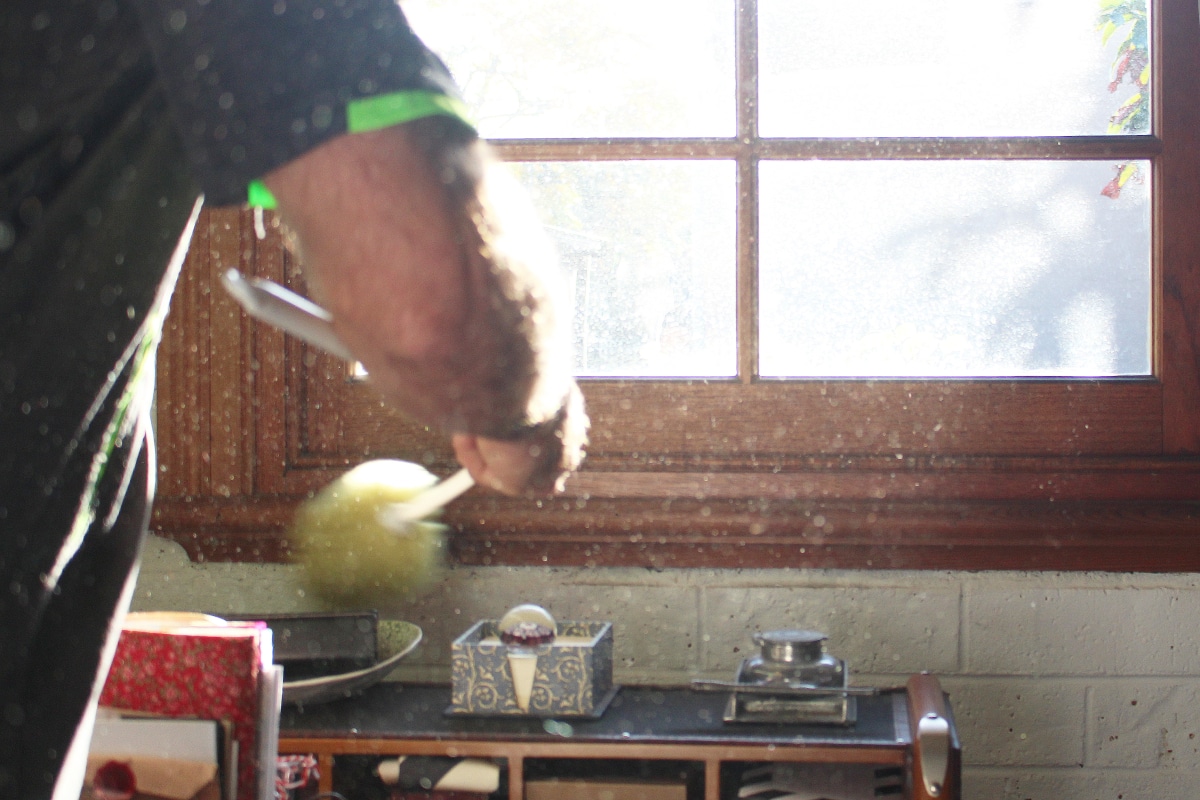
The constant battle against dust can often feel like a losing one. This brings us to an important phenomenon: the “dust-drop effect.” When we attempt to clean a surface, we often disturb the dust that has settled there. This disturbance can create static electricity, which causes the dust particles to become airborne again.

When cleaning surfaces with rags or brooms, we may be applying friction, which generates static electricity. As the particles become charged, they may cling to our cleaning tools, making them harder to remove. Moreover, this static charge can cause dust to leap back into the air, landing on other surfaces—hence the cycle of dust accumulation continues.

Credit - Andrew Rich

Credit – Andrew Rich

Research indicates that even the motion of cleaning can redistribute dust particles throughout a room. While we might think we are simply moving it from one area to another, we are also causing particles to rise and settle far from their original location after a period of “floating”. This floating can last for up to 5 days. During this time, the charged particles are repelling each other and because they are typically lighter than air, they float around suspended mid-air and resettle again in the days after the cleaning is completed.

Why does dust return?

The return of dust after cleaning stems from various factors:

1. Environmental Factors: Outdoor air contains a myriad of particles that can easily infiltrate our homes. Open windows, doors, and even our clothing can bring in dust. This is especially true in areas with high pollen counts or construction activity.

2. Human Activity: The movement of people and pets increases the dispersion of dust. Walking on carpets, shifting furniture, and even breathing can contribute to dust movement, perpetuating its cycle.

3. Static Electricity: As explained earlier, the static generated during cleaning can cause dust to become airborne again, landing on freshly cleaned surfaces. The more we clean, the more we may inadvertently cause dust to rise.

4. Surface Types: Different materials attract and hold dust differently. For example, carpets and upholstery tend to trap dust, while hard surfaces can allow it to be swept away more easily but also encourage it to be more mobile.

Effective dusting techniques

While ridding your home of dust entirely may be impossible, there are effective techniques to minimize its presence and manage the dust-drop effect:

1. Use the Right Tools: Opt for microfiber cloths and dusters which are designed to capture dust instead of flinging it around. They trap particles effectively and reduce the chances of causing dust to become airborne again. An alternate method is to fling it around in combination with specialist dust extraction equipment.

2. Wet Dusting: Consider dampening your cleaning cloth. A slightly wet cloth will help to trap dust better than a dry one. Just ensure the cloth isn’t overly wet, as excess water can damage some surfaces.

3. Clean from Top to Bottom: Dust tends to settle downwards, so it’s best to start cleaning your highest surfaces first—ceiling fans, shelves, and then move down to furniture and floors. This way, you’re not redistributing dust that will land on lower surfaces.

4. Minimise clutter: Keeping surfaces clear not only makes cleaning easier, but it also limits the number of areas where dust can settle. The fewer items you have on your surfaces, the less dust will accumulate.

5. Regular maintenance: Establishing a consistent cleaning routine is key to maintaining a dust-free environment. Regular vacuuming with a HEPA filter, along with wiping surfaces weekly, can significantly reduce dust buildup.

6. Air purifiers: Investing in good air purifiers can help reduce the amount of airborne dust. HEPA filters are particularly effective at trapping tiny particles and improving overall air quality.

7. Control Humidity: Dust loves dry environments; thus, using a humidifier can help keep dust levels manageable. Aim to maintain a humidity level around 40-50% in your living space.

8. Groom pets regularly: If you have pets, regular grooming can drastically reduce the amount of pet hair and dander that contributes to dust accumulation. Keeping their sleeping areas clean can also help.

9. Clean air-conditioner filters: These are literally and metaphorically the lungs of your house. By cleaning them regularly, they will not only assist with improving air quality, they will also give you a direct sense of how much dust is in the air.

Conclusion

Dust is an inevitable part of everyday life, but understanding the science behind its behaviour can help us manage it more effectively. The dust-drop effect highlights the challenges of cleaning, but adopting the right techniques can significantly reduce dust levels in our homes.

While it may be impossible to eliminate dust entirely, taking proactive steps can lead to a cleaner, healthier indoor environment. Through consistent cleaning practices and understanding the factors that contribute to dust accumulation, we can win the battle against dust and enjoy a more comfortable living space. After all, a clean home not only looks great but is also vital for our health and well-being. So, the next time you clean, remember: it’s not just about removing dust, but effectively managing it for a cleaner, healthier environment.

How to make your regular cleaner happy

Your comprehensive guide to delivering excellent regular cleaning services in today’s hectic world

Mould cleaners

Life’s hard enough already – how can we help each other to be happy?

A faithful and reliable regular cleaner can be a game-changer for your home and life. Not only does it save you time, but it also ensures that your living space remains pristine and, in the case of our amazing regular cleaning services, dust-free, too.

But how do you find excellent regular cleaners and keep them happy in the long run? That question is actually the answer. Make your regular cleaner happy and the rest flows easily. In this article, we’ll explore everything you need to know about hiring and maintaining a fruitful relationship with your regular cleaner.

Understanding the role of a regular cleaner

A regular cleaner is not just someone who comes in to fluff around and do a little dusting and vacuuming. Your trusted regular cleaner is a partner in maintaining the cleanliness and comfort of your home. When you find the right cleaner, they learn your preferences and routines, making your life easier and your space more enjoyable.

Why a positive relationship matters

Some customers may wish to keep “menial workers” at arm’s distance, but we know creating a respectful and positive relationship with your cleaner is essential. An equal relationship in which power is shared, not battled for. Happy cleaners tend to provide better service and stay longer. Indeed, if there’s any aggro in this relationship, a divorce will likely be on the horizon. And is it magical thinking that our next partner will be better if we have failed to do the inner work?

Here are some key points to consider when engaging a regular cleaning service:

1. Understand their needs:

Cleaners, like all professionals, have financial expectations and real-life financial pressures. In cities like Sydney, living wages hover around $1,500+ per week. If you want a committed cleaner, consider how their pay aligns with your expectations. Offering fair compensation can lead to a more motivated worker. The old paradigm that the customer is king has shifted to “the cleaner is Queen”. Professional labour in the Western world is not cheap. And you can’t look at the hourly rate anymore. There’s much else to consider regarding how much a cleaner makes daily. If they’re not happy, you can’t be either. If you’re feeling yourself wanting to skip away from this article at this point, then there’s possibly immense value here for you, so please read on.

2. Regular and consistent hours

Try to provide your cleaner with consistent work. Aim for full-day bookings whenever possible. Half-day jobs can lead to frustration as they often result in lost income. If you can’t provide steady hours, consider paying them for marketing efforts, such as distributing flyers. Again, it’s not all about the customer. There are two people in this relationship. You may demand they come and clean for an hour at precisely 10.45 am, but what does that make the rest of their day look like?

3. Hourly rates.

Some customers want to commoditise the cleaner’s wage into a nice little hourly rate. But have you considered their time and monetary costs of getting out to you, tolls, petrol, parking, maintaining their car and then the time costs of parking and getting their equipment in and out, washing, drying, folding cloths, replacing and maintaining equipment, replenishing products and the like and then the proximity of the next client and the time delay (lost money between jobs)
etc., and so on? Those customers who do are blessed with a loving and valuable cleaning relationship that spans not only years but sometimes decades. And the problem with hourly rates is you’ll never see someone motivated to work hard and fast if they’re on the clock – it’s just human nature.

3. Respectful communication:

Clear and respectful communication is vital. Provide detailed instructions about your cleaning preferences and remain open to their professional input. This will foster a cooperative atmosphere, minimising misunderstandings and creating a sense of teamwork.

4. Be kind:

Small gestures of appreciation go a long way. A simple “thank you,” occasional treats, making two coffees instead of just one, or flexibility with scheduling changes can make your cleaner feel valued. Happy cleaners are more likely to go the extra mile for you.

5. Regular feedback:

Always start with a compliment, not a complaint. Positive reinforcement is best; praise all the things you love before gently presenting those things that they could improve easily. Establish an open line of communication for feedback. Encourage your cleaner to express any concerns or suggestions they may have as well. Ask them if there is anything you can do to improve their experience.

6. Write it down

Do you have your expectations chronicled in writing? Is your regular cleaner aware of these expectations and in agreeance with them as to the time and cost agreed to? Cleaners can’t be mind readers, so work from a job sheet, and here’s a great and comprehensive one to use to get you started.

This dialogue improves the quality of service and strengthens the relationship. It takes 30 customers to maintain one good regular cleaner, so they are the rare bird in this regular cleaning service dance. And if some other new customer does these things and you don’t, then that explains why they seem to disappear. Or what some customers may term “reliability issues”.

What to Avoid

While establishing a relationship with your cleaner, be aware of practices that can damage your rapport.

Frequent Cancellations:
Consistently cancelling appointments can lead to frustration and feelings of disrespect. Aim to be as consistent as possible in your scheduling. –

Last-Minute Changes:
Sudden demands can add unnecessary pressure. Communicate any changes or needs well in advance when possible. –

Disrespectful Behavior:
Treat your cleaner as you would like to be treated. Avoid manipulative practices or employing tactics that make them feel like less than a professional.

Maintaining a positive relationship with your regular cleaner is essential for both parties. By understanding their needs, offering fair compensation, and communicating respectfully, you’ll create an environment where your cleaner feels valued and motivated to do their best work. If you’re committed to finding a long-term cleaner, remember that the relationship you foster can directly impact the quality of service you receive. And ultimately, the quality of your life.

And we can’t walk into the Ferrari dealership with our budget for a Kia and demand the latest version. Economic reality applies to services as well as goods.

Now that you understand the importance of a happy cleaner, are you ready to enhance your home with the help of a dedicated and professional regular cleaning service based upon what you can give equal to what you seek to get? Embrace these tips and enjoy the benefits of a cleaner, more organised living space. And let cleaning worries recede into the past as you embrace life fully with one less major worry in your life and come home to a consistently clean house.

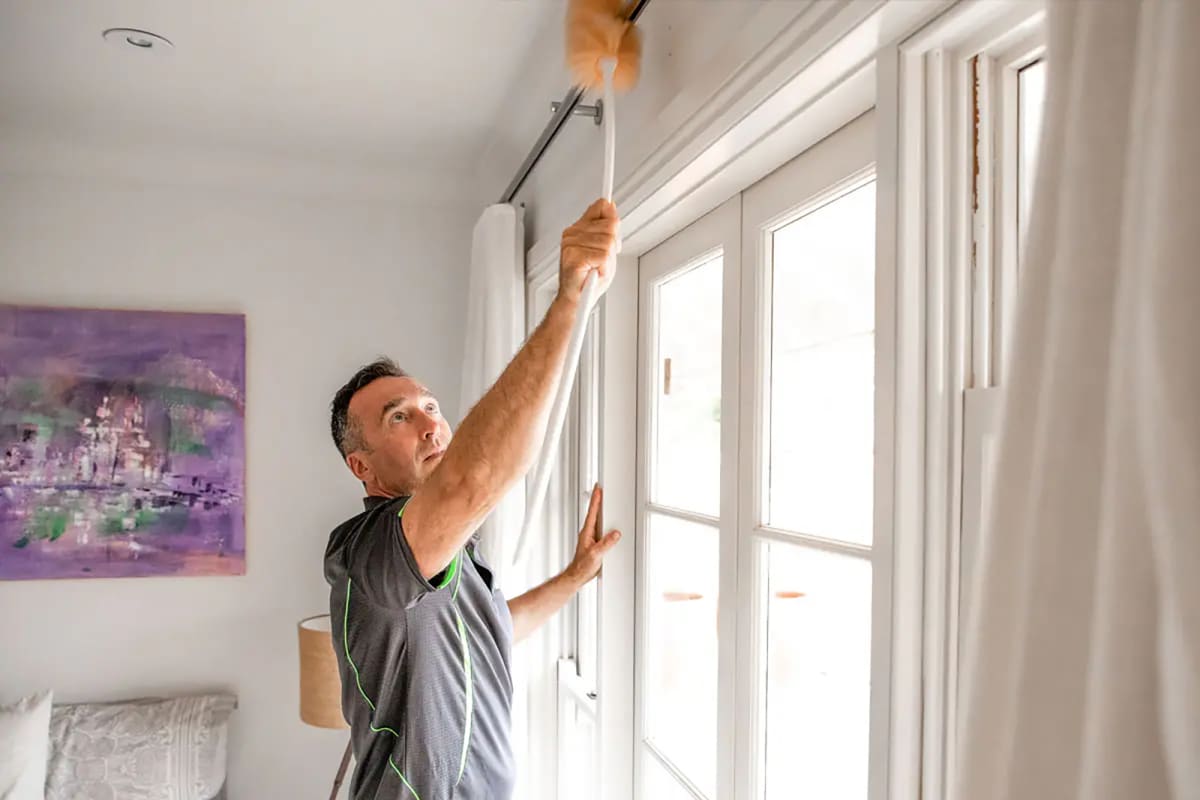
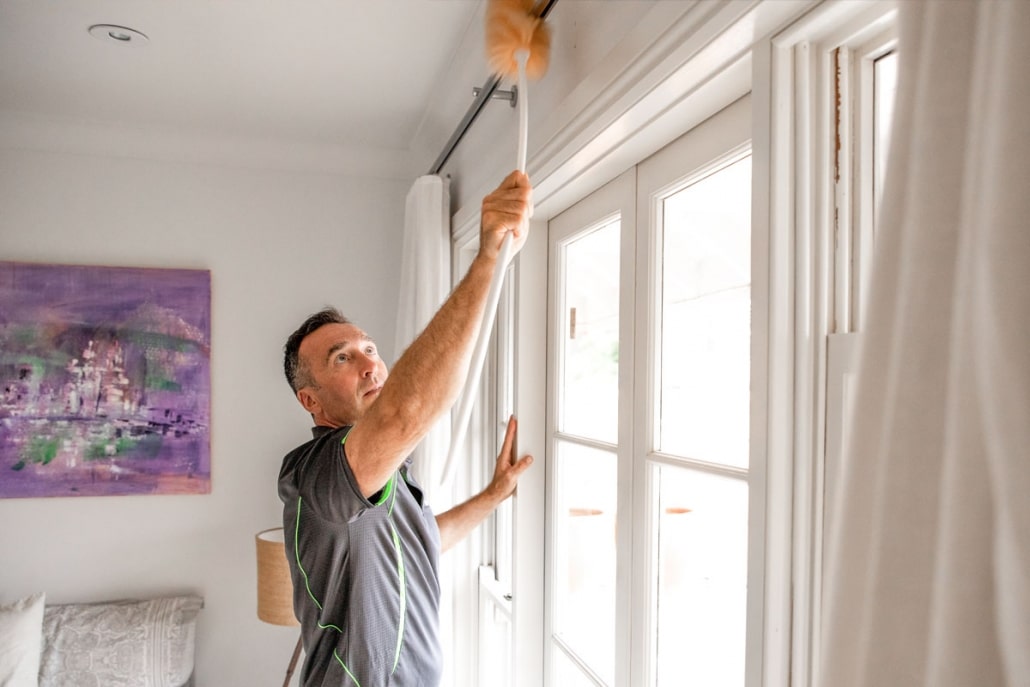
Man dusting providing domestic house cleaning in Sydney

Five hot tips to get your home spotless from the premier Sydney house cleaners

Keeping your home spotless doesn’t have to be a dreaded weekend chore. At 1800 CLEANER, Sydney’s premier house cleaning company, we’ve spent decades perfecting the art of creating clean, healthy, and dust-free homes for our clients. A spotless home starts with a thorough deep cleaning—whether it’s a spring clean to refresh your space or a builder clean to remove construction dust—followed by regular maintenance to keep dust at bay.

The secret to a spotless, dust-free home

Our scientifically backed methods ensure that fine particle dust, which can linger in the air for days, is effectively removed, leaving your home gleaming and healthy. In this guide, we’ll share five hot tips to achieve a spotless home, with a focus on dust-free techniques that make a lasting difference. Plus, we’ll show you how consistent cleaning with 1800 CLEANER can save you time and effort while ensuring long-term results.

Why a spotless home starts with deep cleaning

Before diving into our top tips, let’s talk about the foundation of a spotless home: deep cleaning. Unlike standard cleaning, which focuses on surface-level tidying, a deep clean—such as a spring clean or builder clean—targets hidden dust, dirt, and allergens that accumulate over time. At 1800 CLEANER, we specialise in these intensive cleaning services, ensuring every corner of your Sydney home is free from dust and grime. For example, a spring clean involves decluttering, scrubbing hard-to-reach areas, and removing dust from places like ceiling fans, baseboards, and window sills. On the other hand, a builder’s clean is essential after renovations, tackling construction dust that can settle into every nook and cranny.

Deep cleaning not only makes your home look spotless but also improves air quality by eliminating dust mites, pet dander, and other allergens. According to the Cleaning Institute, homes that undergo regular deep cleans have 50% less dust accumulation, leading to a healthier living environment. By starting with a deep clean and following up with regular cleaning, you can maintain a spotless, dust-free home year-round—without the stress of doing it all yourself.

Five hot tips to get your home spotless and dust-free

Here are five expert tips from 1800 CLEANER to help you achieve a spotless home, with a focus on dust-free techniques that ensure long-lasting cleanliness. These tips are designed to complement a deep clean and can be maintained through consistent cleaning schedules.

  1. Keep shoes outside to prevent dust and germs
    So much dust, dirt, and germs are carried into your home on the soles of your shoes. In fact, studies show that up to 80% of household dust comes from outside sources, including footwear. To keep your home spotless, make it a rule to leave shoes at the front door. This simple habit not only reduces dust but also prevents bacteria and other “yucky stuff” from spreading across your floors. For added convenience, set up a shoe rack or basket near the entrance to encourage everyone to follow this rule. After a deep clean from 1800 CLEANER, this habit ensures that your floors stay pristine for longer.
  2. Clean your flyscreens regularly to stop micro-dust
    Flyscreens are often overlooked, but they trap an incredible amount of micro-dust that gets redistributed into your home every time you open a window. At 1800 CLEANER, we’ve studied this for decades as Sydney’s premier house cleaners. During a spring clean, we thoroughly clean flyscreens to remove trapped dust, ensuring your home stays dust-free when you let in fresh air. To maintain this, clean your flyscreens every few months using a mild detergent and a soft brush, then rinse and dry them thoroughly. This small step can make a big difference in reducing indoor dust levels.
  3. Use a damp cloth for dusting to avoid airborne particles
    Dusting with a dry cloth can send fine particle dust into the air, where it can remain suspended for up to five days. To prevent this, always use a damp cloth to wipe down dusty surfaces. Simultaneously ensuring windows are closed well in advance to avoid drafts. This method captures dust effectively, keeping your home spotless and dust-free. During a spring clean, 1800 CLEANER uses this technique to tackle dust on all surfaces, from furniture to light fixtures, ensuring a thorough clean that lasts.
  4. Invest in a vacuum with a HEPA filter for fine dust capture
    Not all vacuums are created equal. To keep your home spotless, make sure your vacuum has a HEPA filter, which can capture particles as small as 1/30th the circumference of a human hair. This is crucial for removing fine dust that standard vacuums might miss. At 1800 CLEANER, we use HEPA-filtered vacuums during our deep cleans to ensure every speck of dust is removed, especially in high-traffic areas like living rooms and bedrooms. For regular maintenance, vacuum at least twice a week to keep dust levels low.
  5. Use flat microfibre mop heads to attract fine dust
    When mopping, opt for flat microfibre mop heads, which use static electricity to attract fine dust that might otherwise go airborne. This method is far more effective than traditional mops, which can spread dust around. During a builder clean, 1800 CLEANER uses microfibre mops to remove construction dust from floors, ensuring a spotless finish. For daily upkeep, use a microfibre mop on hard floors to maintain a dust-free home between professional cleans.

The science behind dust: why your home stays dusty

Understanding why your home stays dusty is key to keeping it spotless. Fine particle dust, which is invisible to the naked eye, floats into the air when you clean with traditional methods like dry dusting or sweeping. This dust can remain suspended for up to five days, a phenomenon known as the “dust-drop effect.” Over time, it settles back onto surfaces, making your home feel dusty again despite your efforts. At 1800 CLEANER, our scientific approach to deep cleaning overcomes this challenge. We use damp cloths, HEPA-filtered vacuums, and microfibre tools to capture dust before it becomes airborne, ensuring a truly dust-free home.

Regular deep cleans, such as spring or builder cleans, are essential for breaking this cycle, while a consistent cleaning schedule prevents dust from building up again. According to the Environmental Protection Agency (EPA), regular deep cleaning can reduce household dust by 70%, improving air quality and creating a healthier living environment for you and your family.

Statistics: the impact of deep cleaning on dust and health

Deep cleaning has a measurable impact on your home’s cleanliness and health. A study by the Cleaning Institute found that homes with regular deep cleans have 50% less dust accumulation. Regular cleaning thereby reduces the risk of allergies and respiratory issues. The National Allergy Centre reports that 1 in 5 Australians suffer from allergies. Dust is a top trigger. Deep cleaning can reduce this risk by 60%, according to the Asthma Council Australia. Additionally, the EPA notes that regular cleaning can improve indoor air quality by removing up to 70% of household dust. This dust often contains allergens like dust mites and pet dander. For Sydney homes, where dust can be exacerbated by urban pollution and coastal winds, a deep clean from 1800 CLEANER ensures a spotless, dust-free environment that supports your family’s well-being.

FAQ: your questions about deep cleaning and dust-free homes

What’s the difference between a regular clean and a deep clean?

Moreover, a regular clean focuses on surface-level tidying, such as vacuuming and wiping down visible areas. A deep clean, like a spring or builder’s clean, goes further by targeting hidden dust and dirt in challenging areas. Such as baseboards, ceiling fans, and behind furniture. At 1800 CLEANER, our deep cleans ensure a dust-free home that lasts.

How can I maintain a spotless home after a deep clean?

After a deep clean, maintain your home by following our tips. Namely; keep shoes outside, vacuum with a HEPA filter, and use microfibre mops. Scheduling regular cleaning with 1800 CLEANER ensures your home stays spotless without the hassle.

Does 1800 CLEANER offer regular cleaning plans?

Yes! We specialize in regular cleaning plans tailored to your needs, ensuring your Sydney home remains dust-free and spotless. Our plans are designed to build a sustained cleaning routine, saving you time and effort.

How does your specialised deep cleaning system remove hidden dust?

Additionally, deep cleaning targets dust in hard-to-reach areas using specialised tools like HEPA vacuums and damp cloths. Our team at 1800 CLEANER ensures every corner of your home is dust-free, from flyscreens to high shelves.

Why choose 1800 CLEANER for deep cleaning in Sydney?

With decades of experience, 1800 CLEANER is Sydney’s premier house-cleaning company. We focus on deep cleaning and regular maintenance, delivering dust-free results that improve your home’s health and appearance.

Practical tips: daily habits to keep your home spotless

Maintaining a spotless, dust-free home between deep cleans is easier with these daily habits:

  • Wipe Surfaces Regularly. Use a damp microfibre cloth to wipe down surfaces like countertops and shelves, preventing dust buildup.
  • Declutter Daily. Keep clutter to a minimum, as it attracts dust. Spend 5 minutes each day tidying up to make cleaning easier.
  • Use Doormats. Place doormats at all entrances to trap dust and dirt before it enters your home. Shake them out weekly.
  • Wash Bedding Weekly. Dust mites thrive in bedding, so wash sheets and pillowcases in hot water weekly to keep your bedroom dust-free.
  • Ventilate Smartly. Open windows on low-dust days to let in fresh air. But keep them closed during windy or high-pollen periods to avoid dust influx.
    By incorporating these habits into your routine, you’ll extend the benefits of a deep clean and keep your home spotless. Let 1800 CLEANER handle the heavy lifting with a regular cleaning schedule tailored to your Sydney home.

Let 1800 CLEANER keep your home dust-free

Ready to transform your Sydney home into a spotless, dust-free sanctuary? Let 1800 CLEANER take the stress out of cleaning with our expert deep cleaning services. Whether you need a spring clean to refresh your space or a builder’s clean to remove construction dust, our team ensures every corner is gleaming. Plus, our regular cleaning plans keep your home spotless year-round, saving you time and heartache. Don’t let dust take over. Book your deep clean with 1800 CLEANER today and experience the difference of a truly clean home. Get a free quote now and start enjoying a healthier living space!