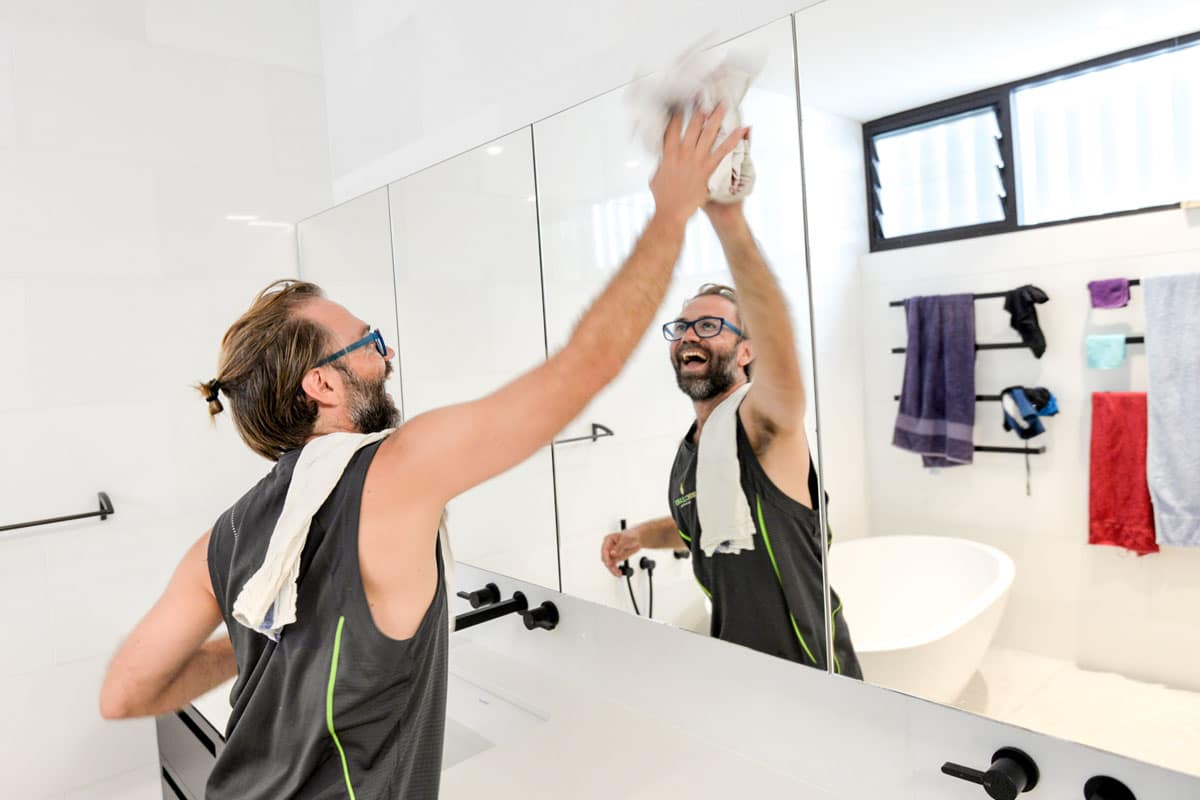
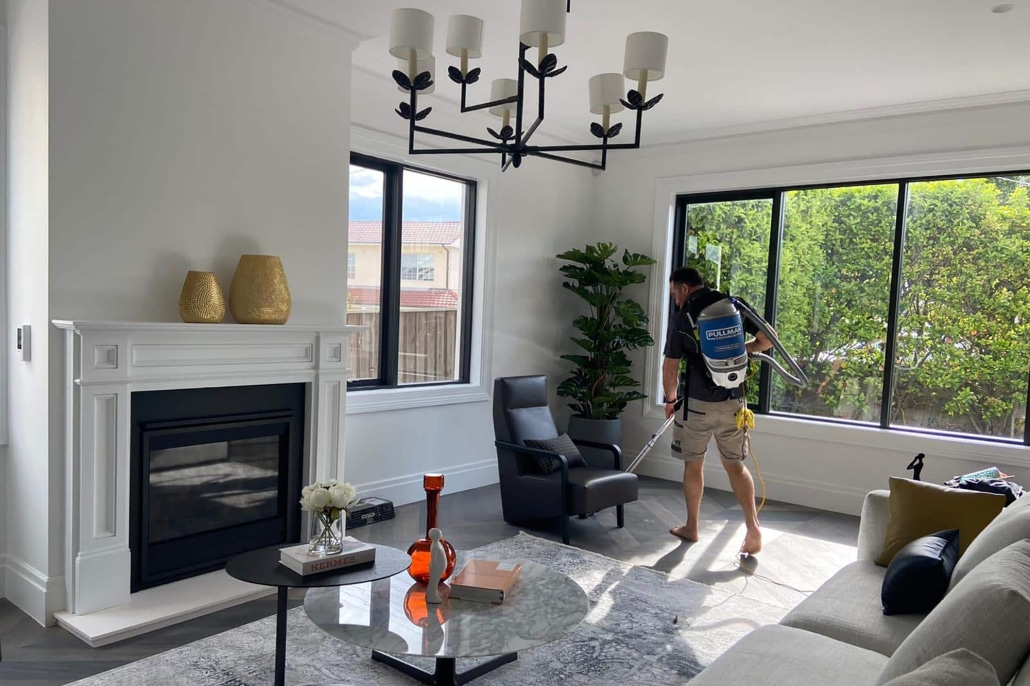
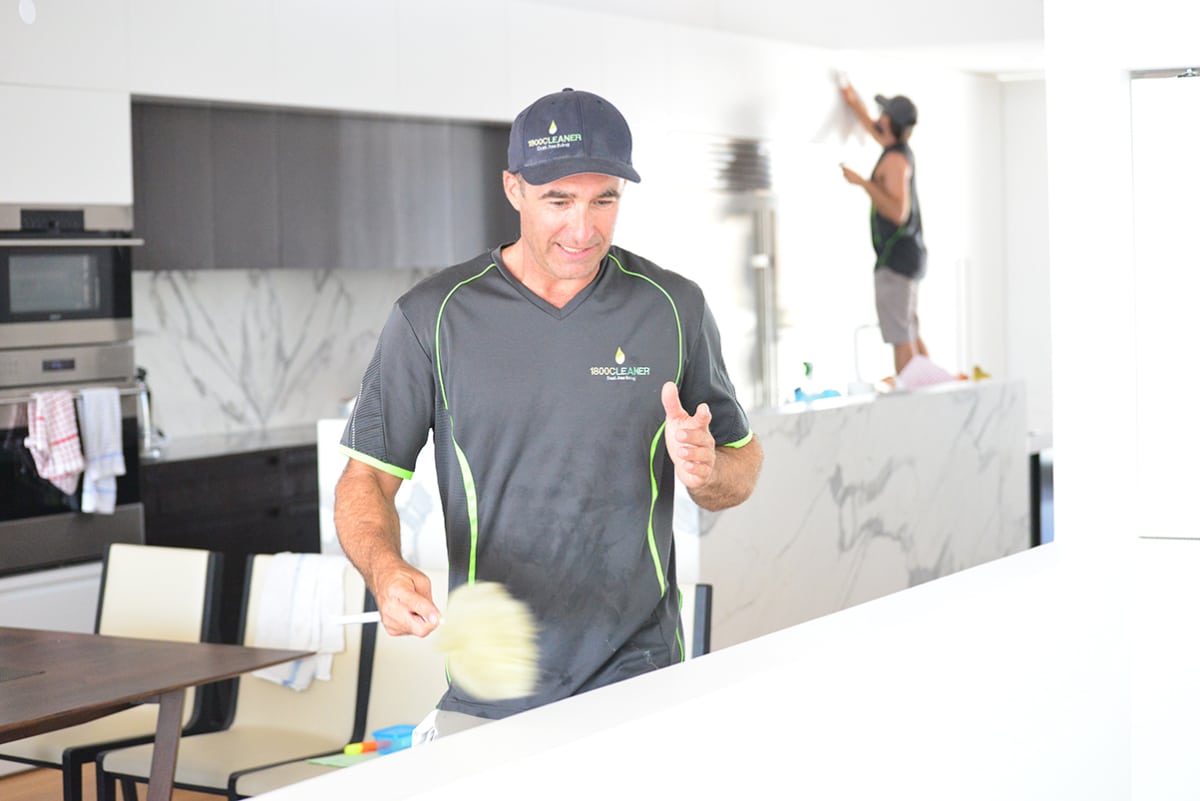
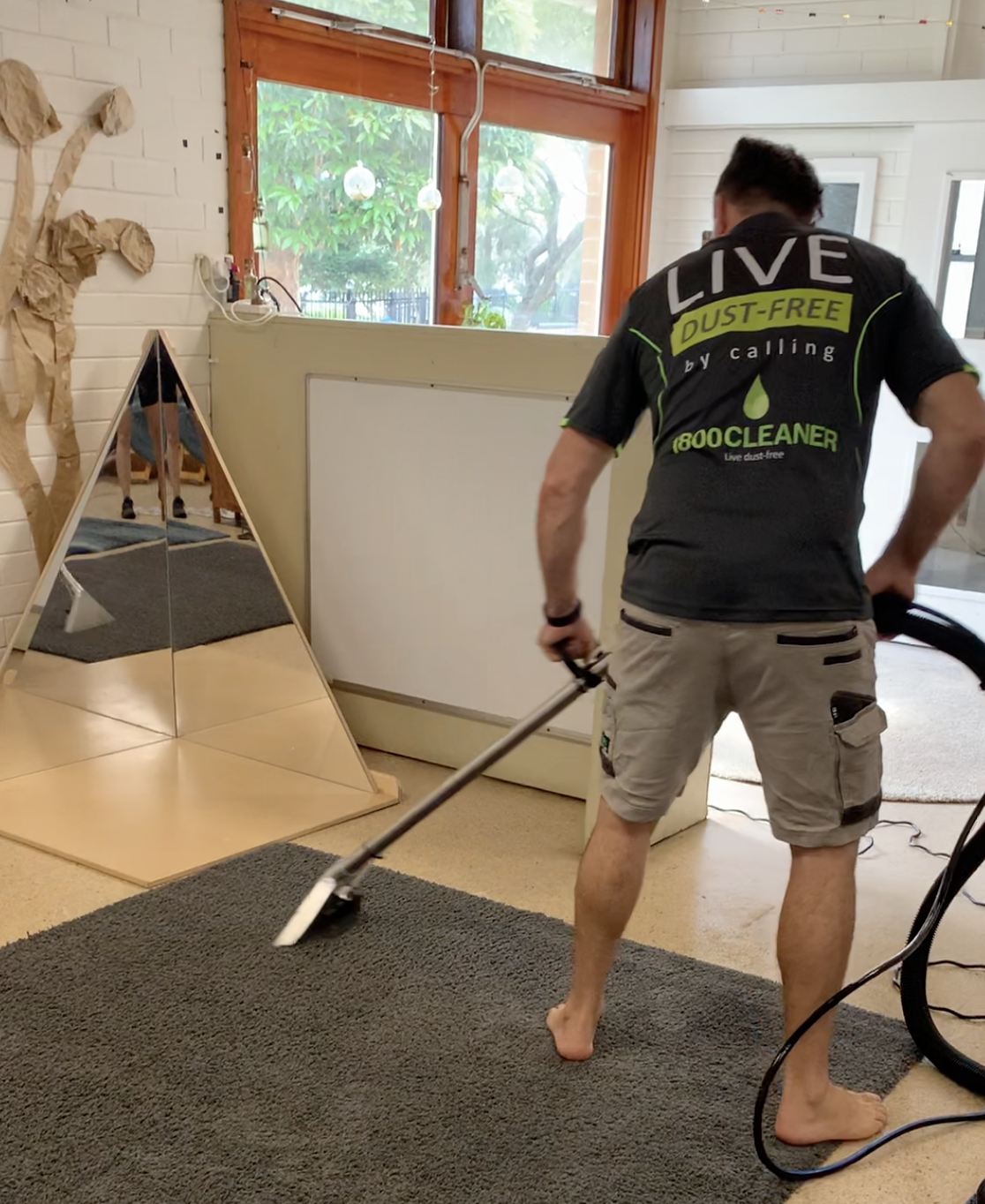
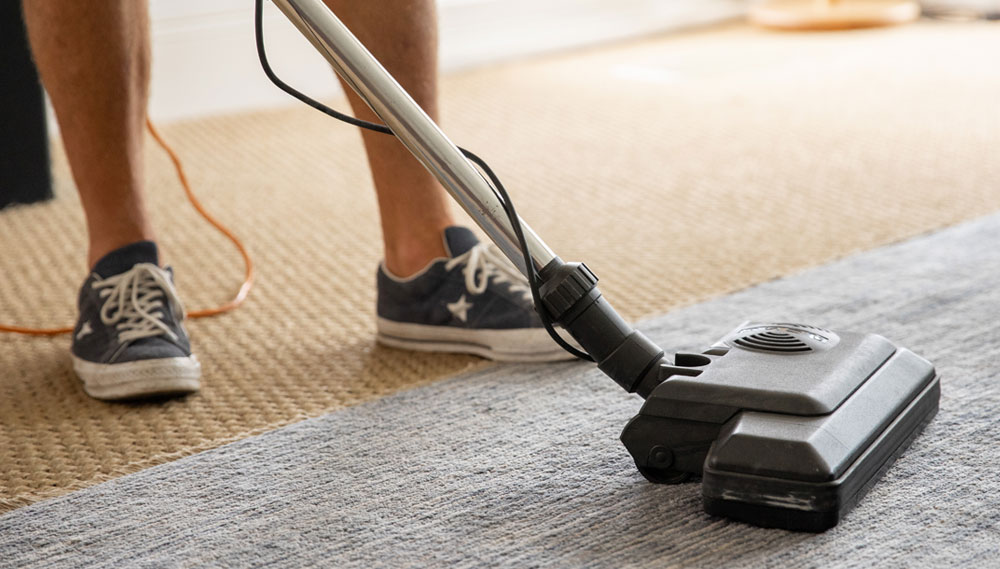
Imagine walking through your front door after a long day, greeted by the fresh scent of a spotless home. The floors gleam, every surface is dust-free, and there is a sense of calm that washes over you. No, it’s not a dream—it’s the magic of professional domestic cleaning in Sydney.
Life in Sydney is vibrant and fast-paced. Between juggling work commitments, family time, and social events, maintaining a clean home can feel like an uphill battle. But what if there was a way to reclaim your free time without compromising on a tidy living space? That’s where domestic cleaning Sydney services come into play, bringing freshness and ease right to your doorstep.
The everyday struggles of domestic cleaning in Sydney
We’ve all been there: the weekend arrives, and instead of relaxing, you’re armed with a vacuum cleaner, trying to conquer the ever-growing dust bunnies. In a city like Sydney, unique challenges add to the struggle. Coastal breezes might be a delight, but they also carry dust and pollen that settle all over your home. The hustle and bustle of city life leave little downtime, making it tough to keep up with cleaning chores.
Some people love cleaning, like we do, and find it a joy to see a house become alive again. But then there are many who prefer to be doing other things.
A friend commented recently,
Just last week, I spent my Saturday scrubbing the kitchen, only to find a new layer of dust the next day.
Sound familiar? Balancing work, family, and maintaining a clean home often feels like spinning plates—eventually, something’s got to give.
Why professional cleaning makes a difference
If cleaning is not your thing, enter professional cleaners—the fairy godmothers (and godfathers) of the cleaning world. Professional cleaners whisk away the burden of household chores, allowing you to focus on what matters to you. Armed with advanced techniques and eco-friendly products, we tackle dirt and grime that regular cleaning might miss.
Imagine not having to worry about scrubbing the bathtub or dusting the blinds. Professional cleaners use specialised equipment and methods to ensure every nook and cranny shines. And the best part? You can experience the joy of coming home to a spotless space without lifting a finger.
The perks of choosing professional help
Choosing professional domestic cleaning in Sydney isn’t just about cleanliness—it’s about enhancing your lifestyle.
• More Time for Adventures: Spend your weekends exploring Sydney’s beautiful beaches or indulging in a leisurely brunch instead of scrubbing floors.
• More time for family and friends: Spend your weekends enjoying entertaining in your home. It is always fresh, and you will love having people over.
• A Healthier Environment: Eco-friendly cleaning products make the environment safer for kids and pets to play in, reducing exposure to harsh chemicals.
• Impress Without Stress: Unexpected guests? No worries! Your home is always guest-ready, sparkling clean, and welcoming.
One of our customers has shared, “after hiring a professional cleaner, I finally had time to take my kids to the park without worrying about the mess at home. It was a game-changer!”
Experience the 1800 CLEANER difference
When it comes to domestic cleaning in Sydney, 1800 CLEANER stands out as the friendly neighbourhood expert. With over 35 years of experience, we have been sprinkling magic into Sydney homes, transforming them into havens of cleanliness.
At 1800 CLEANER, our cleaners have been trained in our state-of-the-art cleaning methods, and we guarantee to leave your home gleaming. Our customers have shared with us they feel more settled when they come home to a house that has been cleaned by us. The air is clean, and they literally say that they can breathe more easily. And of course this makes sense, because the air is fresh and dust-free.
What sets 1800 CLEANER apart?
• The dust-drop effect: Their unique cleaning approach reduces dust particles, leaving your home feeling fresher than ever before.
• Eco-friendly products:Committed to your family’s well-being, they use non-toxic, eco-friendly products that are safe for everyone, including your furry friends.
• Stellar Reputation: Clients rave about their professionalism and attention to detail. One satisfied customer noted, “It’s like they have a secret formula for making dust disappear!”
• Our people: Our clients love our cleaners. We have specially trained our staff in our state-of-the-art cleaning methods, and along with our premium techniques, our cleaners genuinely care about you and your home. We only hire staff who perform an outstanding job and will leave you satisfied with every clean.
Behind the magic – 1800 CLEANER’s approach
Are you curious about how we achieve such sparkling results? Let’s peek behind the curtain. 1800 CLEANER combines traditional cleaning wisdom with innovative techniques to outsmart even the sneakiest dust bunnies.
Our team undergoes rigorous training to master the “dust-drop effect,” a method that not only cleans surfaces but also improves indoor air quality. By focusing on high-traffic areas and often-overlooked spots, we ensure a comprehensive clean that lasts longer.
And we don’t just clean— we care. Our team treats your home with respect and love, tailoring our services to suit your specific needs. For us, it is not just about cleaning; it’s about creating a healthier, happier environment for you and your family.
Take the leap towards a cleaner home
With a little professional help, you can transform your home and your lifestyle.
So why wait? Experience the difference for yourself. Let 1800 CLEANER bring the sparkle back into your home with their expert domestic cleaning services in Sydney.
Your path to a happier, cleaner home starts now
Ready to reclaim your free time and enjoy a spotless home? 1800 CLEANER is here to make it happen. With friendly, hassle-free service, they take the stress out of cleaning.
Contact us today for a free quote and discover the joy of professional Domestic Cleaning Sydney services. After all, everyone deserves a little magic in their lives.
https://1800cleaner.com.au/wp-content/uploads/2023/10/1800-CLEANER-Sydney-Dust-free-Living-101-Dusting.jpeg13332000Michael Sweethttps://1800cleaner.com.au/wp-content/uploads/2022/09/1800-CLEANER-Live-Dust-Free.pngMichael Sweet2024-10-20 13:02:562024-10-20 13:07:11Transform your home with expert domestic cleaning in Sydney
We have come to use the word ‘cleaning’ without truly discerning the enormity of what it actually means and the impact that it has. Most of us see cleaning as a chore, something that needs to be done, often rather begrudgingly on the weekend. Most of us would rather be doing something else but do it because it ‘needs to be done’.
When we do get around to cleaning, we often do it in a hurry, moving from room to room in an automated way and skipping the bits that we deem as being ‘too difficult or too boring’. We say to ourselves that we’ll dust the blinds next time, that we’ll tackle the stove later and that we’ll ask our partner to clean the tops of the cupboards when they’ve got more space; but those moments often never come. Consequently, the areas that we deem as being ‘too hard’ or ‘too boring’ to clean remain neglected, which means that we’re living with pockets of neglect all over our home.
How we clean matters
Does it matter? Well actually yes it does because something in our bodies registers the fact that we’ve chosen to leave those areas dirty and the only thing that can actually erase the feeling is to either clean them ourselves, ask someone else in our household to clean them, or to employ a cleaner.
Have you ever tried to get a teenager to clean their room? If not, then I can vouch for the fact that it’s a painful process that often involves a lot of emotion, struggle, bargaining and at worse, blackmail and threats. If you do manage to get them to clean their room, it’s often done with resentment, and a liberal amount of ‘can’t be bothered to do it properly’ energy.
Again, this arises the question, does it matter? And again, the answer is, well yes, absolutely it does. And the reason being is that the energy in which something is done is significant. Eat a meal that has been thrown together by someone that doesn’t care, compared to eating a meal that has been prepared by someone that loves the entire process from shopping for the ingredients to placing the plate on the table and your whole body registers the difference. Look at a person who has taken great care to get ready in the morning, compared to someone who has rushed to get ready whist half asleep and again your whole body registers the difference, not just your eyes. Cleaning is no different.
Enter a space that has been cleaned out of necessity with a liberal sprinkling of resentment, compared to a space that has been cleaned with deep care, a care that borders on reverence and your whole body registers the difference, even if you yourself don’t register it consciously.
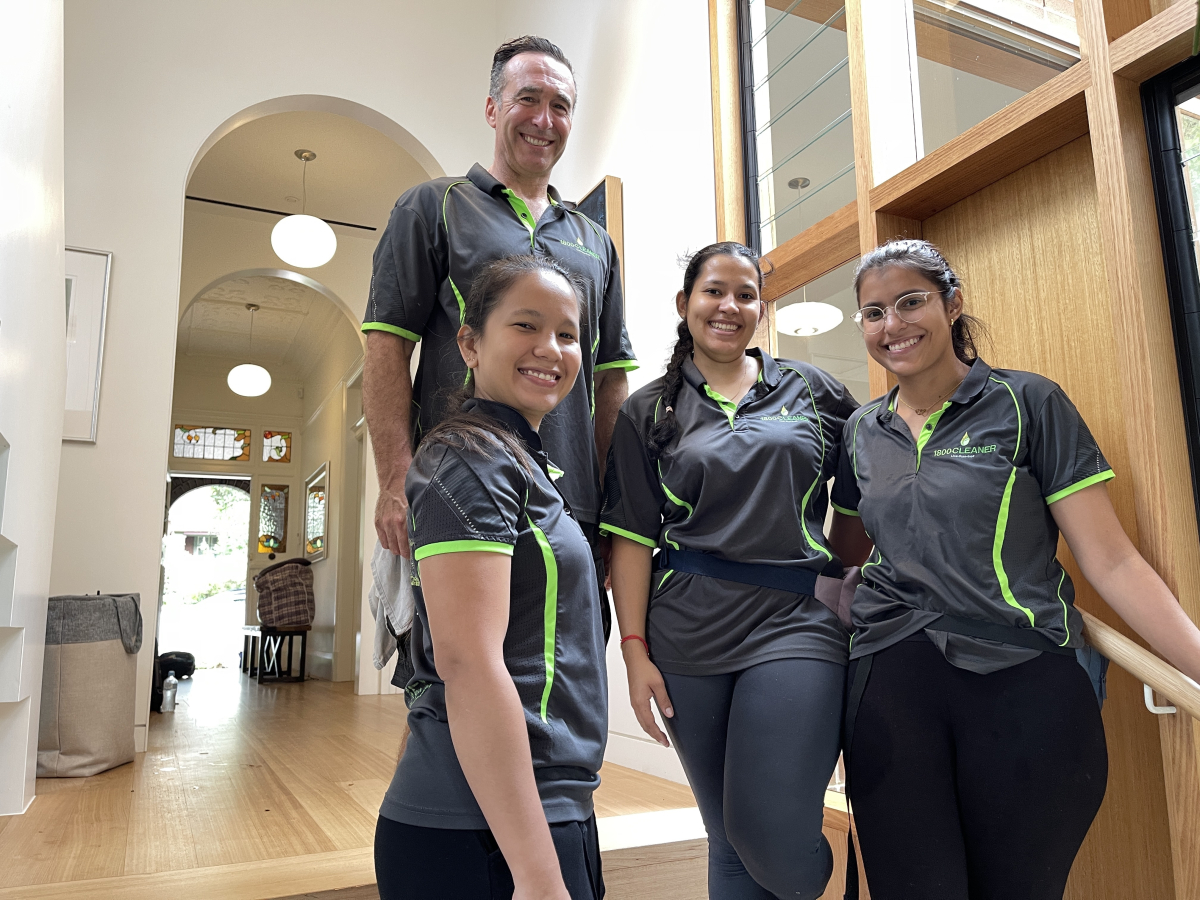
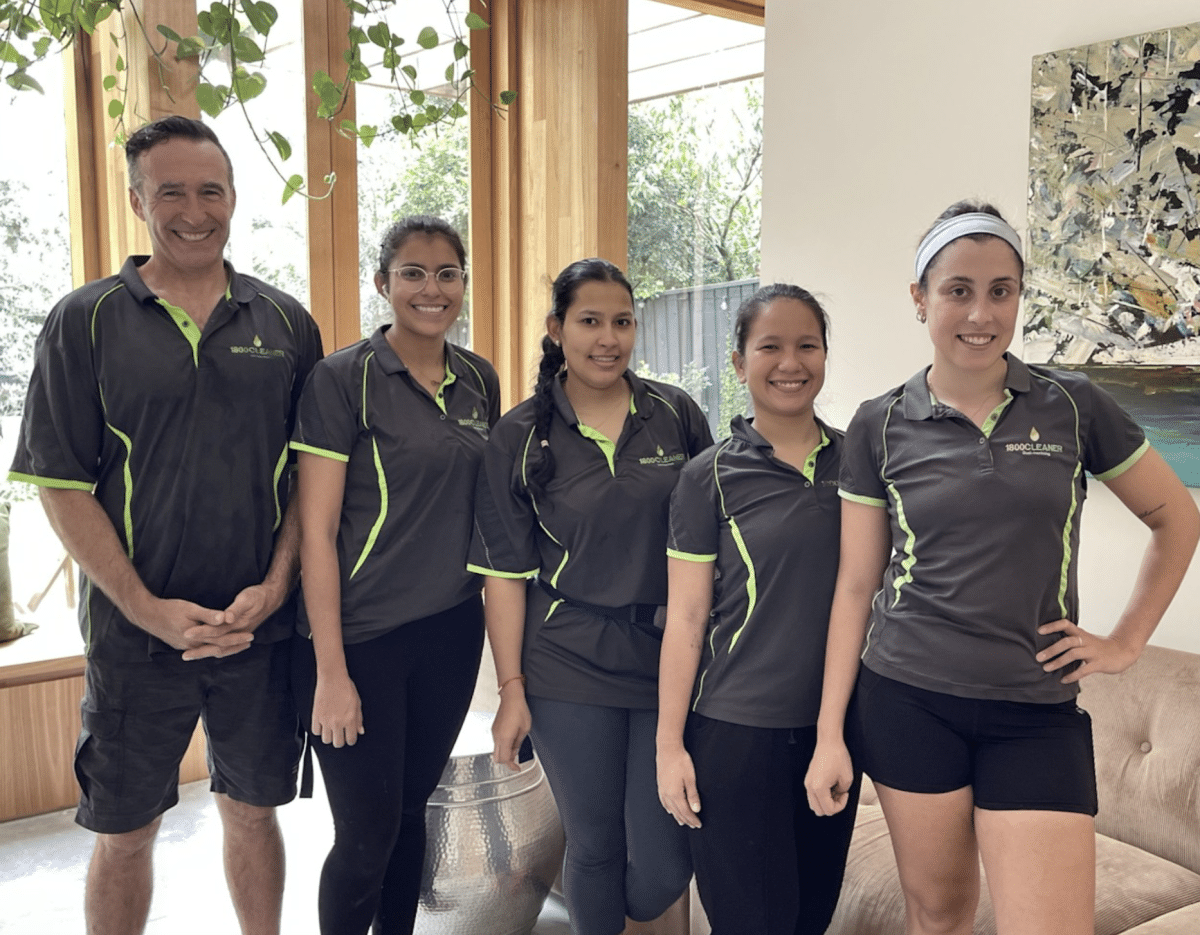
There are cleaning companies and cleaners and then there is Michael and his Team of Carla, Fernanda, Maria and Fran …what can I say in a class of their own. Punctual, professional and the difference their cleaning method makes is nothing short of miraculous. My home looks and feels brand new, literally sparkling….
I had no idea how much dust was “clouding” our lives until it was removed! Home looks and feels fabulous. I only wish I had found 1800 CLEANER sooner!
Kristy C., South Coogee
Our cleaners deeply care
Did 1800 CLEANER consciously set out to attract cleaners that have an inbuilt level of deep care? No, in all honestly we didn’t. It’s only in the last 6 months that it has become apparent that for whatever reason 1800 CLEANER seems to have magnetically pulled cleaners who are nothing short of extraordinary. These girls genuinely LOVE TO CLEAN and what has become apparent is that the reason they love to clean is because they love to care very deeply for the people and families that they clean for.
As the Operations Manager I receive feedback all of the time and yet still I am blown away at the depth of gratitude that the team receives about the level of care that they are cleaning with.
Fernanda cleans our house once a fortnight and is punctual, discrete and leaves beautiful personal touches, including arranging our shelves and folding blankets and towels in a way I would never think of. The house is always left sparkling and spotless.
Fernanda often cleans when I’m working from home but is so quiet I can’t believe she is here. This is the BEST cleaning company and a shout out to Alexis who explains all the cleaning packages and checks in to make sure we’re satisfied. Lovely to have such personalised attention 🙂 Congrats to all of your for offering such a flawless service!
Fran – South Coogee
Incremental improvements over time is key
Not only that but the team is continually spiralling upwards; when I pass on the feedback from clients, the team often say that the feedback motivates them to do an even better job next time. It’s truly incredible to be part of what is unfolding, it feels almost magical.
I titled this article “The far-reaching effects of employing a cleaner who deeply cares”, because employing a cleaner who truly cares means so much more than simply having a clean home. To have someone in your home who has cleaned everything with a deep sense of care, who has touched the items in your home that you are going to come home and touch, with care, makes a real difference. Our bodies register vibration.
Two towels might have been folded to look identical and we might pass it off as insignificant that one has been folded in a rush and the other has been folded with love but you know what, when we dry ourselves after our shower our bodies naturally discern the difference. And you may think that I’ve gone too far now and that’s ok, I’m not looking to convince anybody with what I’m sharing but my gentle suggestion to you, is why not feel the difference for yourself, because it is only through the discernment of our bodies that anything is truly known.
https://1800cleaner.com.au/wp-content/uploads/2024/10/HERO033-Team-scaled.jpg19502600Michael Sweethttps://1800cleaner.com.au/wp-content/uploads/2022/09/1800-CLEANER-Live-Dust-Free.pngMichael Sweet2024-10-17 11:50:152024-10-17 12:21:25The far reaching effects of employing a cleaner who deeply cares
We all dream of maintaining a healthy and fresh home in Sydney. Having a house cleaner in Sydney can play a crucial role in achieving this goal and making your home look and feel fabulous. When we have a fabulous home, we are more likely to want to spend time enjoying our sacred space, entertaining, and spending time with those we love.
However, many Sydney homeowners face challenges like dust, allergens, and pollutants that affect their health. The city’s environment contributes to higher indoor contaminant levels that we are often unaware of.
Enlisting the services of a professional house cleaner can address issues that regular, do-it-yourself cleaning simply does not. Professional cleaners tend to see more than average, enabling them to stay on top of removing deep-seated dust and allergens that accumulate over time and can affect our health.
Understanding common home cleaning problems
Typical home cleaning issues in Sydney include trapped dirt, dust, and spills. The local climate and dust levels make thorough cleaning necessary. Sydney’s dry weather and construction activities increase airborne dust particles.
The World Health Organization (WHO) reports poor air quality affects health. Dust and allergens in homes can lead to respiratory problems. The Australian Institute of Health and Welfare notes that millions suffer from chronic respiratory conditions.
Regular cleaning often misses hidden dirt and allergens. These particles settle deep into carpets and upholstery, affecting your family’s health over time.
The importance of house cleaner services
Professional house cleaner services are more effective than DIY methods. They use advanced technologies like HEPA vacuums and eco-friendly products. These tools remove microscopic particles that regular cleaning misses. DIY methods often lack the efficiency to eliminate allergens thoroughly, whereas professionals ensure a deeper clean for a healthier home.
Benefits of professional house cleaner services
Extending the Life of Surfaces
Professional cleaning helps extend the life of your home’s surfaces. Regular deep cleaning prevents wear and tear caused by dirt buildup.
Improving Indoor Air Quality
Professional cleaners improve indoor air quality by removing allergens.
Enhancing Home Aesthetics
A professionally cleaned home looks more appealing. It creates a welcoming environment for you and your guests.
Research in the Journal of Environmental Health shows that professional cleaning significantly reduces allergens. This is crucial for families with children, pets, or allergies.
Why choose 1800 CLEANER for your cleaning needs
1800 CLEANER is the top choice for house cleaners in Sydney. We have over 35 years of experience in the cleaning industry, and our unique “dust-drop effect” elimination technique sets us apart from our competitors.
Expertise: Decades of experience handling various cleaning challenges.
Eco-Friendly Products: Use of non-toxic, biodegradable cleaning agents.
Advanced Technology: Employing ionisers and HEPA vacuums for a thorough clean.
Our clients have stayed with us for a long time, and they love us. They love our quality of cleaning and the feeling of a dust-free home. Having a dust-free home is not only beneficial for their health but also leaves a freshness in the air that our clients enjoy.
Our five-star Google Reviews say it all. Here are just two of our many reviews from our satisfied customers.
“I just want to give a very big shout out to 1800 CLEANER.
I have been using them for 13 years but we took a break over COVID and I have been slow to get started again. Huge mistake! They just finished a big Spring Clean to get me back on track. They did an amazing job cleaning all the dust out of my place that I just left there because I was stuck on a Zoom call. It makes me feel so relaxed and calm. Like I said, I have been with 1800 CLEANER for over 13 years and the quality of the clean only gets better!”
Susana M, Annandale.
“Fernanda cleans our house once a fortnight and is punctual, discrete and leaves beautiful personal touches, including arranging our shelves and folding blankets and towels in a way that I would never think of. The house is always left sparkling and spotless. Fernanda often cleans when I’m working from home but is so quiet I can’t believe she is here. This is the BEST cleaning company and a shout out to Alexis who explains all the cleaning packages and checks in to make sure we’re satisfied. Lovely to have such personalised attention 🙂 Congrats to all of you for offering such a flawless service! ”
Fran – South Coogee.
1800 CLEANER ensures that your home remains pristine, from improving indoor air quality to tackling deeply embedded dirt that regular cleaning may miss.
The science behind 1800 CLEANER’s methods
1800 CLEANER uses advanced cleaning methods, such as ionisers and HEPA vacuums. Our proven scientific methods make us a cut well above your regular cleaner. We know dust, and we know how to get rid of it!
First of all, we disturb the dust. Yes, we do 🙂 We don’t mind disturbing the dust because we have the equipment to deal with it and get rid of it! First of all, we disturb the dust with our dusting. We bother the dust particles, bringing a positive static electrical charge to the particle. This then repels other particles, and we see the dust float, as we show in our videos.
Once ionised, the dust then clings, gets heavy, and hits the floor. This is where we use our HEPA vacuums, which capture 99.97% of particles as small as 0.3 microns, to vacuum up and get rid of the dust.
Having a professional house cleaner in Sydney offers numerous benefits. They help maintain a healthier and cleaner living environment for you and your family. Regular cleaning simply cannot match the thoroughness of professional services.
Why wait?
Experience the difference that professional cleaning can make and take the first step towards a fresher, healthier home. We are waiting to hear from you. Contact 1800 CLEANER today for a free quote.
By choosing 1800 CLEANER, you’re opting for excellence in house cleaners Sydney. With their unparalleled experience and innovative techniques, there’s no better choice. Schedule your service today and enjoy a cleaner, healthier home.
https://1800cleaner.com.au/wp-content/uploads/2024/10/carpet-cleaners-sydney-scaled-e1727905308455.jpg8001200Michael Sweethttps://1800cleaner.com.au/wp-content/uploads/2022/09/1800-CLEANER-Live-Dust-Free.pngMichael Sweet2024-10-10 15:24:462024-10-10 15:24:46Finding reliable house cleaners in Sydney: A step-by-step guide
In the bustling city of Sydney, maintaining a healthy and fresh home environment is more than just a preference—it’s a necessity. Combining urban living and the city’s unique climate presents homeowners with specific challenges in keeping homes clean and pollutant-free. Carpet shampooing in Sydney has become essential for residents looking to ensure their living spaces are aesthetically pleasing and conducive to good health.
Sydney’s environment, characterised by its proximity to the ocean and a mix of urban and natural landscapes, contributes to a higher concentration of dust, allergens, and pollutants. These elements often infiltrate homes, settling deep within carpets and upholstery—areas that regular cleaning methods fail to address adequately. Regular vacuuming might give the appearance of cleanliness, but it often only removes surface-level dirt, leaving behind microscopic contaminants.
According to the National Asthma Council Australia, indoor allergens such as dust mites, pet dander, and mould spores are significant triggers for asthma and allergy sufferers. With over 2.7 million Australians affected by asthma, the importance of maintaining a clean indoor environment cannot be overstated. Professional carpet shampooing in Sydney provides a solution by employing advanced techniques to eliminate these hidden threats effectively.
Understanding common home cleaning problems
Sydney’s homeowners face a myriad of cleaning challenges unique to the region. The city’s climate, with its warm summers and mild winters, can lead to higher humidity indoors. This environment is ideal for the growth of mould and mildew within carpets and other soft furnishings. Additionally, the urban setting contributes to increased dust and pollution levels, which can easily become trapped in the fibres of carpets and rugs.
Spills and stains are another common issue, particularly in households with children or pets. If not addressed promptly and properly, they can seep deep into the carpet fibres, becoming breeding grounds for bacteria and unpleasant odours.
The World Health Organization (WHO) has highlighted that poor indoor air quality, often exacerbated by dust and allergens trapped in carpets, can lead to various health problems—from minor irritations to serious respiratory conditions. The Australian Institute of Health and Welfare supports these findings, noting that indoor air pollutants contribute to the burden of respiratory diseases in Australia.
Given these challenges, thorough cleaning is not just about appearance—it’s about health. Regular household cleaning methods are often insufficient for removing the deeply embedded contaminants that affect indoor air quality. This is where professional carpet shampooing in Sydney comes into play, offering solutions that address both the visible and invisible aspects of home cleanliness.
The importance of professional cleaning services
While DIY cleaning methods and household vacuum cleaners have their place, they are often inadequate for deep-cleaning carpets. Professional carpet shampooing in Sydney requires a level of expertise and equipment that surpasses that available to the average homeowner.
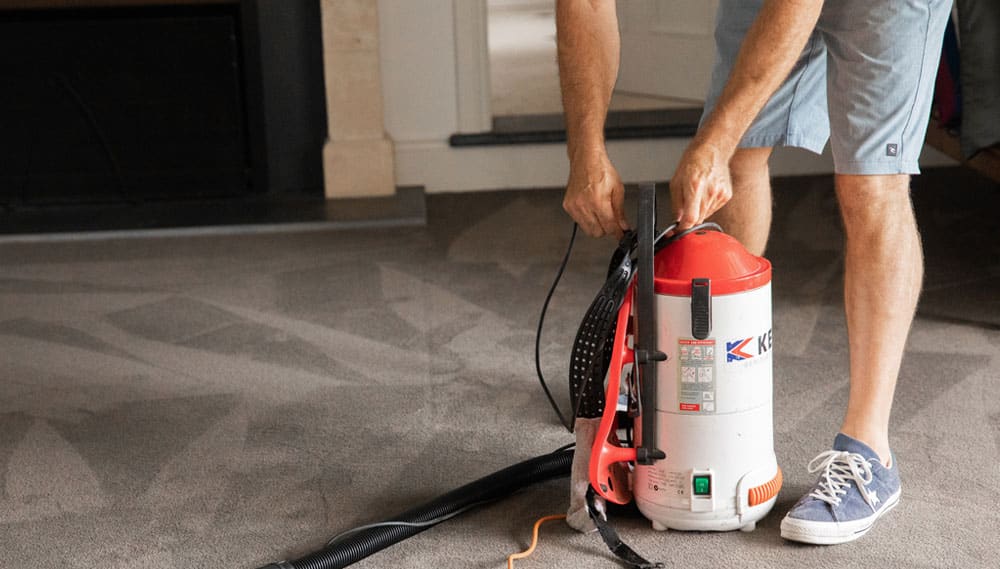
Professionals utilise advanced technologies such as HEPA (High-Efficiency Particulate Air) vacuums, capable of trapping particles as small as 0.3 microns with 99.97% efficiency, as per EPA standards. This is crucial for removing allergens like dust mites and pet dander that regular vacuums cannot capture. Moreover, eco-friendly cleaning products ensure that the cleaning process does not introduce harmful chemicals into the home environment.
The American Lung Association emphasises that professional cleaning methods significantly reduce indoor pollutants, improve air quality, and reduce health risks. An external study published in the Journal of Environmental Health found that homes that underwent professional carpet cleaning experienced an 85% reduction in allergens—a level of cleanliness that DIY methods cannot achieve.
Furthermore, professional cleaners are trained to identify problem areas and tailor their cleaning approach accordingly. They can address stubborn stains, high-traffic areas, and spots prone to mould growth, ensuring a comprehensive cleaning beyond the capabilities of standard household equipment.
Benefits of professional carpet shampooing in Sydney
Investing in professional carpet shampooing in Sydney offers a multitude of benefits that extend beyond mere aesthetics:
Extending the life of surfaces: Carpets are a significant investment, and proper maintenance is key to preserving their appearance and function. Professional cleaning removes the abrasive dirt and debris that can wear down fibres over time, effectively prolonging the life of your carpets.
Improving indoor air quality: Clean carpets act as a filter, trapping dust, allergens, and pollutants. However, when saturated, they can no longer perform this function effectively. Professional cleaning removes these trapped particles, improving indoor air quality significantly. The Centers for Disease Control and Prevention (CDC) notes that improved indoor air quality can reduce the incidence of asthma attacks and other respiratory issues.
Enhancing home aesthetics: A professionally cleaned carpet not only looks better but also feels softer and smells fresher. This can enhance the overall ambience of your home, making it a more pleasant environment for both residents and guests.
Health benefits for vulnerable groups: Families with children, pets, or members who suffer from allergies or respiratory conditions stand to gain the most from professional cleaning services. Research published in the Journal of Environmental Health indicates that regular professional carpet cleaning can substantially reduce allergen exposure, contributing to better health outcomes.
Why choose 1800 CLEANER for your carpet shampooing needs
When selecting a professional cleaning service, experience and methodology matter. 1800 CLEANER has been serving Sydney homeowners for over 35 years, establishing a reputation for excellence in carpet shampooing in Sydney.
Our unique “dust-drop effect” elimination technique is a testament to our commitment to innovation. This method involves a meticulous process that ensures dust particles are redistributed and effectively removed from the environment. By combining this technique with the use of ionisers and HEPA filtration systems, 1800 CLEANER achieves a level of cleanliness that sets us apart from competitors.
Moreover, our dedication to using non-toxic, eco-friendly products reflects a commitment to the health and well-being of their clients and the environment. This approach ensures no harmful residues are left behind, making homes safe for all occupants, including children and pets.
Customer testimonials and high ratings on platforms like Google Reviews attest to our exceptional service quality. Clients frequently praise our professionalism, punctuality, and the noticeable difference in the look and feel of a clients home after we visit.
Industry experts recognise the value of such expertise. John Taylor, a leading figure in the Australian Cleaning Council, remarks, “Companies like 1800 CLEANER bring decades of experience and a passion for innovation to the table. Their advanced techniques not only clean but also protect and enhance the living environments of their clients.”
Understanding the technology behind 1800 CLEANER’s methods provides insight into our effectiveness. Ionisers play a crucial role in their cleaning process. These devices release negative ions into the air, which attach to positively charged particles like dust, allergens, and pollutants. This interaction causes the particles to become heavy and fall to the ground. From there they can be easily vacuumed and removed.
HEPA vacuums are then used to capture these particles. As mentioned, HEPA filters can trap tiny particles, ensuring they are not reintroduced into the air. This combination of ionisation and HEPA filtration addresses both airborne and settled contaminants.
The Environmental Protection Agency (EPA) acknowledges the effectiveness of HEPA filtration in improving indoor air quality. Their indoor air quality management guidelines recommend using HEPA vacuums to reduce the presence of pollutants.
By employing these technologies, 1800 CLEANERensures that even microscopic particles—often responsible for allergies and respiratory issues—are effectively removed from the home environment.
For more on our innovative carpet shampooing in Sydney techniques, visit our website.
In conclusion, professional carpet shampooing in Sydney is an investment in your home’s health and longevity. By addressing the deep-seated dirt, allergens, and pollutants that regular cleaning methods miss, you enhance the appearance of your home and also the well-being of its occupants.
1800 CLEANER offers unparalleled expertise and innovative techniques, which set us apart as the top choice for Sydney homeowners. Our commitment to excellence and customer satisfaction ensures you receive the highest-quality service.
Don’t compromise on the cleanliness and health of your home. Contact 1800 CLEANER today for a free quote and experience the transformative effect of professional carpet shampooing.
Take action now
Take the first step toward a cleaner, healthier home. Call1800 CLEANER now or visit their website to schedule your professional carpet shampooing in Sydney. Your home deserves the best, and so do you.
https://1800cleaner.com.au/wp-content/uploads/2020/02/Cleaning-Technology-Dust-Removal.jpg5691000Michael Sweethttps://1800cleaner.com.au/wp-content/uploads/2022/09/1800-CLEANER-Live-Dust-Free.pngMichael Sweet2024-09-30 09:27:472024-10-05 07:13:00Innovative carpet shampooing techniques for Sydney homes
Living in a vibrant city like Sydney can have its unique challenges, especially when keeping your home clean. The city’s warm climate and higher levels of dust, allergens, and pollutants can lead to an unhealthy indoor environment. While regular cleaning routines are essential, more than they may be required to maintain a healthy and fresh home. This is where deep cleaning Sydney services step in as an absolute necessity.
Deep cleaning goes beyond surface-level cleaning to tackle the hard-to-reach areas that often accumulate dust, dirt, and allergens. According to the National Asthma Council Australia, a clean indoor environment can significantly reduce asthma triggers like dust mites, mould, and pet dander. Sydneysiders, particularly those with allergies or respiratory conditions, can hugely benefit from regular deep cleaning services, improving your indoor air quality in turn, improving your health.
This may come as a surprise to you, but research has shown that indoor air can be up to five times more polluted than outdoor air. Dust, allergens, and even chemical residues from cleaning products can build up in your home over time, leading to various health issues, including respiratory problems and allergies. Professional deep cleaning Sydney services, offered by companies like 1800 CLEANER, provide thorough cleaning that regular methods cannot match. Further in this article, we’ll explore why deep cleaning is crucial for maintaining a healthy home in Sydney and how 1800 CLEANER offers the best solutions to meet these needs.
Understanding Common Home Cleaning Problems in Sydney
Sydney homeowners face several challenges when it comes to maintaining a clean home. The city’s climate and high dust levels can make it difficult to keep surfaces, furniture, and floors free from dirt and allergens. Regular cleaning tasks like vacuuming, sweeping, and mopping can leave behind dirt and grime, especially in carpets, upholstery, and hard-to-reach areas like furniture or under appliances.
A study from the Australian Institute of Health and Welfare (AIHW) reports that more than 7 million Australians suffer from chronic respiratory conditions, many of which are aggravated by poor indoor air quality. Dust and allergens trapped in homes are often invisible to the naked eye but can trigger allergies, asthma, and other respiratory issues. For example, dust mites, mould spores, and pet dander thrive in warm, humid environments like those often found in Sydney homes. Over time, these particles become embedded in carpets, upholstery, and other surfaces, making it difficult for traditional cleaning methods to remove them altogether.
In addition to allergens, homes in Sydney often accumulate pollutants from outdoor sources like pollen and air pollution, which can get trapped inside and circulate through HVAC systems. This is where the benefits of professional deep cleaning Sydney come into play. Professional cleaners have the tools and expertise to tackle these common issues, improving air quality and making homes healthier.
The Importance of Professional Cleaning Services
While many homeowners attempt to clean their homes themselves, DIY cleaning methods often do not address the deep-seated dirt and allergens that accumulate over time. Professional deep cleaning Sydneyservices provided by 1800 CLEANER offer an effective solution beyond what household products can achieve.
The technology professional cleaners use is far superior to typical household cleaning equipment. For instance, 1800 CLEANER uses HEPA vacuum systems to capture 99.97% of particles as small as 0.3 microns, including dust mites, pollen, and mould spores. According to the American Lung Association, HEPA filtration is crucial for maintaining good indoor air quality, particularly for people with allergies or asthma.
Additionally, professional cleaners like 1800 CLEANER use eco-friendly, non-toxic, and safe cleaning products for both humans and pets. These products clean effectively and ensure that harmful chemicals are not left behind in the home. Studies from organizations like the American Cleaning Institute demonstrate that professional cleaning methods outperform DIY efforts, especially regarding reducing allergens and improving indoor air quality.
Benefits of professional deep cleaning
The benefits of hiring a professional deep cleaning Sydney service extend far beyond just a cleaner home and what meets the eye. Regular deep cleaning can enhance the longevity of your carpets, furniture, and appliances by removing the dirt and grime that cause wear and tear. This means your home’s surfaces stay looking newer for longer, saving you money on replacement costs in the long run.
One of the most significant advantages of deep cleaning is improving indoor air quality. The Centers for Disease Control and Prevention (CDC) notes that homes with poor air quality can exacerbate respiratory conditions like asthma and allergies. Deep cleaning removes the dust, allergens, and pollutants that accumulate in hard-to-reach areas, making it easier to breathe and improving the overall health of your home.
The enhanced aesthetic appeal of a deeply cleaned home is an awesome benefit. Over time, dirt and grime can cause your floors, walls, and furnishings to appear dull and worn. Professional deep cleaning services restore your home’s brightness and cleanliness, creating a more inviting and pleasant living space.
For families with children, pets, or individuals with allergies, professional deep cleaning is essential for maintaining a healthy home. Research published in the Journal of Environmental Health highlights that regular deep cleaning significantly reduces the number of allergens in the home, leading to fewer allergy symptoms and improved health for everyone in the household.
Why choose 1800 CLEANER for deep cleaning in Sydney?
When it comes to professional deep cleaning Sydney, 1800 CLEANER is the trusted choice for many homeowners. With over 35 years of experience, 1800 CLEANER has perfected its cleaning techniques to deliver the best results possible. Our unique “dust-drop effect” eliminates dust and allergens from your home, ensuring a clean and healthy environment.
One of the standout features of 1800 CLEANER is our commitment to using eco-friendly, non-toxic products. This ensures a thorough clean and protects your family from the harmful chemicals often contained in traditional cleaning products. Whether you have children or pets or are simply concerned about your environmental impact, 1800 CLEANER’s use of safe, green cleaning products offers peace of mind.
Customer reviews and ratings from platforms like Google Reviews speak highly of 1800 CLEANER’s professionalism and effectiveness. With a high customer satisfaction rate, many Sydney residents trust 1800 CLEANER to keep their homes clean and healthy year-round.
Hiring experienced professionals like 1800 CLEANER for long-term deep cleaning maintenance offers unmatched results. Our expertise, cutting-edge technology, and eco-friendly products make 1800 CLEANER the best choice for keeping your home free from dust, allergens, and pollutants.
The science behind cleaner homes
1800 CLEANER’s cleaning methods are rooted in science. HEPA vacuums, for instance, capture tiny particles that traditional vacuums often miss. According to the Environmental Protection Agency (EPA), HEPA filtration is one of the most effective ways to improve indoor air quality by removing pollutants that are otherwise too small to be caught by regular cleaning methods.
Another innovative technique used by 1800 CLEANER is the use of ionizers. Ionizers release negative ions into the air, which attach to airborne particles like dust, pollen, and allergens. These negatively charged particles then fall to the ground, where they are vacuumed and removed. This method effectively reduces airborne allergens and pollutants, contributing to a cleaner, healthier home environment.
Scientific research from sources like ScienceDirect and the Mayo Clinic supports the effectiveness of HEPA vacuums and ionizers in removing allergens and improving indoor air quality. Combined with 1800 CLEANER’s expertise, these tools ensure your home is as clean and healthy as possible.
A healthier home with deep cleaning Sydney
Deep cleaning is essential for maintaining a healthy and fresh home environment in Sydney. Regular cleaning isn’t enough to tackle the dust, allergens, and pollutants that accumulate over time. Professional deep cleaning Sydney services, like those offered by 1800 CLEANER, provide the thorough cleaning your home needs to stay fresh and healthy year-round.
By choosing 1800 CLEANER, you’re ensuring a cleaner home and investing in your family’s long-term health. Our advanced cleaning techniques, eco-friendly products, and unparalleled expertise make us the best choice for deep cleaning in Sydney.
Don’t wait until dirt and allergens build up—contact 1800 CLEANER for a free quote today and experience the benefits of a deeply cleaned home.
https://1800cleaner.com.au/wp-content/uploads/2022/04/Get-Paid-To-Get-Fit-1-scaled.jpeg23972600Michael Sweethttps://1800cleaner.com.au/wp-content/uploads/2022/09/1800-CLEANER-Live-Dust-Free.pngMichael Sweet2024-09-29 04:26:572024-10-05 07:18:17The necessity of deep cleaning your Sydney home
Are you looking for a rewarding cleaning job in Sydney that offers flexibility, support, personal and career growth opportunities? Look no further than 1800 CLEANER! We are a leading cleaning company committed to excellence—not just in the services we provide to our clients but also in how we treat our team members. Here are the top five reasons why you should consider joining our dynamic dream team.
1. Competitive pay and benefits
At 1800 CLEANER, we believe that hard work should be rewarded. We offer competitive wages that reflect your skills and dedication. In addition to fair pay, we provide benefits that support your well-being and job satisfaction.
Above-Award Wages: Earn more than the industry standard.
Performance Bonuses: Get rewarded for exceptional work.
Paid Training: Learn while you earn with our comprehensive training programs.
👉 Ready to earn what you deserve? Apply Now and join our team! 👈
2. Flexible working hours
We understand that everyone has different schedules and commitments. That’s why we offer flexible working hours to suit your lifestyle.
Full-Time and Part-Time Positions: Choose the workload that fits you best.
Customizable Schedules: Work mornings, evenings, or weekends—it’s up to you.
Work-Life Balance: Manage your time effectively between work and personal life.
👉 Looking for flexibility in your cleaning job in Sydney? Join Us Today and find the perfect balance! 👈
3. Supportive team environment
Being part of 1800 CLEANER means joining a community that values teamwork and mutual support.
Friendly Colleagues: Work with a team that feels like family.
Open Communication: Your feedback and ideas are always welcome.
👉 Want to be part of a supportive team? Apply here and start your journey with us!👈
4. Career growth opportunities for cleaning jobs in Sydney
We are committed to helping our employees grow professionally.
Ongoing Training: Enhance your skills with our continuous training programs.
Career Advancement: Opportunities to move into supervisory or managerial roles.
Skill Development: Gain valuable experience that will advance your career.
👉Ready to grow with us? Join 1800 CLEANER and take the next step in your career! 👈
5. Commitment to excellence
Our reputation is built on the quality of our work and the satisfaction of our clients and employees.
High Standards: Be proud of the work you do.
Positive Impact: Make a difference in our clients’ lives by providing exceptional service.
Recognition: Your hard work doesn’t go unnoticed.
👉 Aim for excellence? Apply now and be part of a company that values quality! 👈
Join 1800 CLEANER today for the best cleaning job in Sydney!
If you’re passionate, dedicated, and ready to be part of a fantastic team, we want to hear from you!
https://1800cleaner.com.au/wp-content/uploads/2024/04/Riverview-cleaners-e1727899145444.png9351200Michael Sweethttps://1800cleaner.com.au/wp-content/uploads/2022/09/1800-CLEANER-Live-Dust-Free.pngMichael Sweet2024-09-29 04:14:532024-10-05 07:22:10Top 5 reasons to join 1800 CLEANER: Your ideal cleaning job in Sydney
Keeping homes clean and safe is becoming increasingly challenging with the constant presence of dust, allergens, and pollutants. Many homeowners in Sydney would like to prioritise a healthy and fresh home environment. Yet, they may not have the time or skill to do so. This is where residential cleaning services Sydney can make a world of difference. Professional cleaning services ensure your living space remains pristine. This covers the gammity from improving indoor air quality to tackling deeply embedded dirt that regular cleaning may miss.
In a bustling city like Sydney, where urban pollution levels and environmental factors contribute to household dust and allergens, ensuring a clean living environment goes beyond regular sweeping and vacuuming; there is so much more going on in your home than you may realise and is more than what meets your eyes. A study by the National Asthma Council Australia reveals that poor indoor air quality is one of the leading triggers for asthma and other respiratory conditions. Homes often accumulate dust mites, pet dander, and other irritants that are difficult to manage without the expertise of professional cleaners.
This article explores the benefits of residential cleaning services in Sydney and how professional services can help homeowners maintain a cleaner and healthier living space.
Understanding common home cleaning problems
Many homeowners in Sydney face common cleaning challenges that regular household chores can only sometimes address. Dust, trapped dirt, and spills are not only unsightly but can also contribute to a range of health issues. Dust particles are a significant concern in urban areas like Sydney due to the local climate and environmental conditions. Studies from the Australian Institute of Health and Welfare highlight that Sydney homes can harbour high levels of airborne particles, dust mites, and mould spores, significantly impacting indoor air quality.
The World Health Organization (WHO) emphasises the importance of maintaining good air quality to reduce the risk of respiratory illnesses. Indoor dust contains various pollutants, including skin cells, pollen, and fabric fibres, which can exacerbate allergies and asthma. Spills on surfaces like carpets or upholstery can also trap dirt deep within the fabric. This leads to the growth of bacteria and mould if not professionally treated.
This makes the role of residential cleaning services Sydney essential, as trained cleaners are equipped to tackle these stubborn problems with advanced techniques and equipment. Homeowners can enjoy a cleaner, healthier environment by addressing these hidden contaminants.
The importance of professional cleaning services
Many homeowners attempt to manage their cleaning tasks through DIY methods. While surface-level cleaning may give an illusion of cleanliness, it doesn’t reach the deeply embedded dirt and allergens. Professional residential cleaning services Sydney go beyond the superficial, using advanced cleaning technology like HEPA (High-Efficiency Particulate Air) vacuums and eco-friendly cleaning products.
1800 CLEANER is equipped with state-of-the-art tools designed to capture microscopic particles that standard vacuum cleaners miss. Furthermore, eco-friendly products ensure that harmful chemicals are not reintroduced into your home. This makes a safer environment for families, especially those with young children or pets. Cleanfax, a reputable industry resource, suggests that professional cleaning methods result in longer-lasting cleanliness and better health outcomes than DIY efforts.
For homeowners considering a professional cleaning service, it’s crucial to understand the difference between DIY methods and what professional cleaners can achieve. A study by the American Cleaning Institute shows that homes cleaned professionally at least once a month have a 30% lower allergen count than homes relying solely on DIY cleaning.
Benefits of professional cleaning
The advantages of residential cleaning services in Sydney extend far beyond just aesthetics. Regular professional cleaning improves air quality and contributes to the overall health and well-being ofyou and your family. Some of the key benefits include:
Extended lifespan of surfaces: Professional cleaning can extend the life of carpets, tiles, and wooden floors. This is achieved by removing dirt and grime that, if left untreated, can cause wear and tear.
Improved indoor air quality: HEPA filtration systems used by services like 1800 CLEANER capture allergens, dust mites, and even bacteria, helping to purify the air inside your home.
Enhanced aesthetics: A clean home looks and feels better. It’s easier to maintain and more inviting for guests.
Reduced allergies and asthma triggers: Families with children or pets often experience higher levels of allergens in the home. The Journal of Environmental Health highlights the effectiveness of regular deep cleaning in significantly reducing allergy symptoms.
By investing in residential cleaning services, homeowners can reap these benefits, creating a healthier and more pleasant living environment allowing you to enjoy your home even more.
Why choose 1800 CLEANER for residential cleaning in Sydney?
When it comes to residential cleaning services in Sydney, 1800 CLEANER stands out as a trusted and experienced provider. With over 35 years of expertise in the cleaning industry, 1800 CLEANER has earned a reputation for delivering exceptional results.
We have developed a technology to overcome the “dust-drop effect”. Unlike traditional cleaning methods, this innovative technique captures airborne dust before it settles, leaving your home clean and dust-free.
1800 CLEANER also prioritises using non-toxic, eco-friendly cleaning products, ensuring a safe environment for your family and pets.
1800 CLEANER’s dedication to excellence and eco-friendly solutions makes them the top choice. Sydney homeowners seeking reliable residential cleaning services love 1800 CLEANER.
The science behind cleaner homes
What sets professional cleaning services like 1800 CLEANER apart is their understanding of the science behind effective cleaning. Using specialised equipment, they can remove microscopic particles that would otherwise remain in your home.
Ionisers help purify the air by removing particles’ positive static charge, which causes them to settle on surfaces where they can be easily removed. HEPA vacuums capture tiny particles, ensuring that allergens and dust are thoroughly eliminated. A study published in ScienceDirect found that homes cleaned with HEPA filtration systems had significantly better air quality than those cleaned using standard vacuums.
For those interested in the science behind these methods, the Environmental Protection Agency (EPA) provides detailed insights into how air filtration and ionisation improve indoor environments. The Mayo Clinic also emphasises the importance of HEPA filtration in reducing respiratory issues. Thats why they’re a key component of effective residential cleaning services.
Conclusion
The benefits of residential cleaning services in Sydney cannot be overstated. From enhancing indoor air quality to extending the life of home surfaces, professional cleaning services like 1800 CLEANER play a crucial role. By using advanced cleaning techniques, eco-friendly products, and offering unparalleled expertise, 1800 CLEANER ensures that your home is cleaner, more sparkly and safer for you and your family.
For a healthier and cleaner living environment, contact 1800 CLEANER for a FREE QUOTE and experience the difference professional cleaning can make. You’ll enjoy a spotless home, and the peace of mind that comes with knowing your environment is free from dust and harmful pollutants.
https://1800cleaner.com.au/wp-content/uploads/2020/02/1800-CLEANER-House-Cleaning-Professionals.jpg8001200Michael Sweethttps://1800cleaner.com.au/wp-content/uploads/2022/09/1800-CLEANER-Live-Dust-Free.pngMichael Sweet2024-09-29 04:11:002024-10-05 07:25:01Benefits of residential cleaning services in Sydney
Maintaining a clean, healthy, fresh home environment is essential, especially in bustling cities like Sydney. Homeowners in Sydney often face unique challenges in keeping their spaces dust-free and allergen-controlled. With dust, pollutants, and allergens, professional house cleaners in Sydney have become increasingly popular. Professional house cleaners tackle issues that often regular cleaning misses, ensuring that homes are not only spotless but also healthier.
In this article, we explore why house cleaning services are essential, the benefits of professional cleaning, and how 1800 CLEANER stands out as a top choice for house cleaners in Sydney. Let’s dive into why professional cleaning can significantly enhance your living environment.
The importance of using house cleaners in Sydney for health and well-being
Sydney’s coastal and urban environment contributes to an array of cleaning challenges. The warm climate leads to high dust accumulation, while pollution from traffic and construction sites adds airborne particles to the air we breathe indoors. A study by the National Asthma Council Australia found that indoor air quality is often more polluted than outdoor air due to dust, pet dander, and allergens trapped inside homes. These elements can cause respiratory issues, particularly for individuals with asthma or allergies.
The need for house cleaners in Sydney is heightened when we consider the statistics. According to the Australian Institute of Health and Welfare, over 2.7 million Australians live with asthma, and 1 in 9 people suffer from allergies. A professional cleaning service can help reduce the amount of allergens, pollutants, and dust particles that accumulate in homes, improving air quality and lowering the risk of respiratory illnesses. By using professional house cleaners, you ensure not only a cleaner living space but also a healthier one.
Understanding common home cleaning problems
One of the biggest issues homeowners in Sydney face is the persistent build-up of dust, dirt, and pollutants. Trapped dirt in carpets, furniture, and air ducts can lead to poor air quality and respiratory problems. Dust in homes doesn’t just settle on surfaces; it gets trapped in upholstery, under furniture, and in hard-to-reach areas, often going unnoticed by traditional cleaning methods. A World Health Organization (WHO) study points out that exposure to household dust, especially dust mites, is a significant contributor to indoor air pollution.
Sydney’s coastal location adds another layer of difficulty. Sea breezes may carry salt particles, which can settle on windows and furniture, causing unsightly residue and potential damage to surfaces if not cleaned regularly. The Australian Institute of Health and Welfare notes that homes in urban environments can accumulate significant levels of pollutants and allergens, particularly those located near busy streets or construction areas.
Given the severity of dust and allergens in homes, the need for house cleaners in Sydney has become more apparent. Professional cleaning services are equipped to deal with these issues more efficiently than the average DIY cleaner, using advanced tools and methods to target areas often neglected in regular household cleaning.
The importance of professional cleaning services
Why are professional cleaning services more effective than DIY methods? House cleaners in Sydney, like 1800 CLEANER, use advanced technology, such as HEPA vacuums and eco-friendly cleaning products, that deeply penetrate surfaces to remove embedded dirt and allergens. HEPA vacuums, for example, are designed to capture 99.97% of airborne particles, including those as small as 0.3 microns. This level of filtration is vital for reducing allergens, dust mites, and pollutants that can exacerbate health conditions.
A report by the American Lung Association highlights the effectiveness of professional cleaning methods, particularly HEPA filtration, in reducing airborne pollutants and allergens. In contrast, DIY cleaning methods often miss deeply embedded dirt, and traditional vacuums may even release particles back into the air. Professional house cleaners ensure that harmful particles are properly contained and removed, improving indoor air quality and promoting better health.
An external study by the American Cleaning Institute shows that professional cleaning services outperform DIY methods in terms of thoroughness and effectiveness, particularly in terms of allergen removal. This research supports the need for professional services like 1800 CLEANER to maintain a dust-free, allergen-controlled environment in your home.
Benefits of Professional Cleaning Services
The advantages of hiring a house cleaners in Sydney goes beyond a spotless home. Regular professional cleaning helps extend the life of household surfaces, improves indoor air quality, and enhances the home’s overall aesthetic. Here are some key benefits of professional cleaning services:
Extending the Life of Surfaces: Dust and grime, if left unchecked, can cause wear and tear on furniture, carpets, and surfaces. Regular cleaning by professionals ensures that surfaces remain in top condition for longer.
Improving Indoor Air Quality: As mentioned earlier, professional cleaning services significantly improve air quality by removing allergens, dust, and pollutants. This particularly benefits families with children, pets, or individuals with respiratory conditions. A study from the Centers for Disease Control and Prevention (CDC) shows that improved indoor air quality can reduce the incidence of asthma attacks and other respiratory issues.
Enhancing Home Aesthetics: A clean home looks better and feels more comfortable and inviting. Professional cleaning services ensure your home is always in top shape, giving you peace of mind and a fresh living space.
For families with allergy-prone individuals, professional cleaning services are crucial. Research published in the Journal of Environmental Health indicates that regular cleaning can reduce allergy symptoms by eliminating common triggers like dust mites and pet dander. This highlights the health benefits of consistent, high-quality cleaning performed by professionals.
Why choose 1800 CLEANER for residential cleaning in Sydney?
1800 CLEANER stands out as a leading provider of house cleaners in Sydney. With over 35 years of experience in the industry, they have mastered the art of thorough, non-toxic, and eco-friendly cleaning. Their unique “dust-drop effect” elimination technique sets them apart, ensuring that dust particles are effectively removed rather than redistributed during cleaning.
What truly distinguishes 1800 CLEANER from other cleaning services is their use of advanced technology and environmentally friendly products. Their HEPA vacuums, ionisers, and other state-of-the-art equipment ensure that even microscopic dust particles are removed from your home, contributing to a healthier indoor environment. This attention to detail and commitment to health and the environment has earned them glowing customer reviews on Google Reviews.
The science behind cleaner homes
At the heart of 1800 CLEANER’s success is the science behind its cleaning methods. The use of HEPA vacuums and ionisers, for example, is rooted in scientific research. This resesarch shows how these tools can remove allergens and microscopic particles from the air.
HEPA (High-Efficiency Particulate Air) vacuums are designed to trap tiny particles that traditional vacuums often miss. These vacuums can filter out particles as small as 0.3 microns. This effectively removes dust mites, pollen, pet dander, and other allergens from the home. Scientific research from sources like ScienceDirect and the Environmental Protection Agency (EPA) supports the use of HEPA filtration to improve indoor air quality.
Ionisers are another powerful tool used by house cleaners in Sydney. These devices release negative ions that attach to airborne particles, causing them to fall to the ground. Once settled, they can be easily vacuumed or wiped away. This technology further reduces the amount of pollutants and allergens in the air. This contributes to a cleaner and healthier home environment. Reputable sources such as Mayo Clinic and NIOSH (National Institute for Occupational Safety and Health) explain the benefits of HEPA filtration and ionisation for improving indoor air quality.
In conclusion, professional house cleaning services in Sydney are vital for maintaining a healthy, clean, and fresh home environment. With Sydney’s unique challenges, such as dust, allergens, and pollutants, regular DIY cleaning often isn’t enough for many households. Professional cleaning services, like those offered by 1800 CLEANER, provide the technology, expertise, and thoroughness needed to ensure your home is clean and healthier for your family.
If you’re looking for top-quality house cleaner in Sydney, look no further than 1800 CLEANER. We would love to hear from you. Reach out for a free quote today. Your home and your health will thank you!
https://1800cleaner.com.au/wp-content/uploads/2023/11/House-cleaning-service-1800-CLEANER.jpeg8031203Michael Sweethttps://1800cleaner.com.au/wp-content/uploads/2022/09/1800-CLEANER-Live-Dust-Free.pngMichael Sweet2024-09-29 04:06:222024-10-05 07:28:35Top tips for hiring reliable house cleaners in Sydney
Maintaining a clean and healthy home environment is a top priority for homeowners. Yet, one aspect often overlooked is carpet cleanliness. Carpets are a significant fixture in many Sydney homes, providing comfort and style. Still, they also act as magnets for dust, allergens, and pollutants. In fact, studies have shown that carpets can hold up to four times their weight in dirt, dust mites, pet dander, and other harmful particles that can affect indoor air quality.
Regular vacuuming may help, but it’s not enough to remove the deeply embedded dirt, dust, and allergens that hide within the fibres of your carpet. This is why professional carpet cleaning services are essential for maintaining a healthy living environment in Sydney. This article will explore common carpet problems, the importance of professional cleaning, and how 1800 CLEANER can help create a cleaner, fresher home for you and your family.
Understanding common carpet problems in Sydney
Sydney’s climate and environment play a significant role in carpet maintenance. With its warm and humid conditions, the city experiences high levels of dust, sand, and pollutants, particularly from the coastal areas. This dust settles into the fibres of your carpet over time, worsening indoor air quality and creating potential health hazards.
Research shows that carpets can retain as much as 200,000 bacteria per square inch, a staggering figure considering that many homeowners don’t clean their carpets as frequently as they should. In addition to bacteria, carpets collect dirt, dust mites, pollen, pet dander, and spilled liquids, which can lead to a range of problems:
Poor indoor air quality: Carpets trap airborne particles like dust, pollen, and pet dander, exacerbating asthma and allergy symptoms.
Unsightly stains and odours: Spills and accidents from pets or children can lead to lasting stains and unpleasant smells.
Decreased carpet lifespan: Dirt and debris can wear down carpet fibres over time, reducing the overall lifespan of your carpets.
Sydney’s unique environment, including its high dust levels, makes regular carpet cleaning essential. Without professional intervention, your carpets could become a breeding ground for bacteria, dust mites, and allergens, significantly impacting your home’s air quality and overall cleanliness.
The importance of professional carpet cleaning services in Sydney
While many homeowners attempt to clean their carpets using DIY methods or rental equipment, professional carpet cleaning services provide a much more thorough solution. Companies like 1800 CLEANER use advanced technology and non-toxic cleaning products to achieve a deep clean that DIY methods cannot match.
The American Lung Association notes that regular carpet cleaning is crucial in maintaining indoor air quality, especially in homes with pets and children. Regular professional cleaning is even more critical in Sydney, where dust and pollutants occur daily. Here’s why professional carpet cleaning stands out:
Advanced Technology: At 1800 CLEANER, we use high-tech HEPA vacuums, which have beenscientifically proven to trap up to 99.97% of particles as small as 0.3 microns. This ensures that even the tiniest dust particles and allergens are effectively removed, which is crucial for people suffering from asthma and allergies.
Non-Toxic, Eco-Friendly Products: Our cleaning solutions are environmentally friendly and safe for your home. Unlike harsh chemicals in many DIY products, our non-toxic cleaners are safe for children and pets while effectively breaking down dirt, bacteria, and stains.
Expert Stain Removal: Stubborn stains that have set in over time can be almost impossible to remove using DIY methods. Professional cleaners have the knowledge and specialized tools to treat and remove even the most difficult stains.
Professional carpet cleaning improves the appearance of your carpets and creates a healthier home environment by reducing allergens and improving indoor air quality.
Benefits of regular carpet cleaning
There are numerous advantages to having your carpets professionally cleaned regularly, ranging from improved aesthetics to health benefits. Here’s a closer look at how professional carpet cleaning can benefit your home:
Prolongs the Life of Your Carpet: Dirt and grime embedded in the fibres of your carpet act like sandpaper, wearing down the fibres and reducing the carpet’s lifespan. Regular professional cleaning removes this debris, helping to maintain the look and feel of your carpet for years to come. In fact, regular maintenance can extend a carpet’s life by up to 50%.
Improves Indoor Air Quality: As mentioned earlier, carpets trap allergens like dust mites, pet dander, and pollen. These particles can be released into the air as people walk across the carpet, reducing the air quality you breathe. Professional cleaning removes these allergens, creating a healthier environment, especially for those with respiratory issues.
Removes Bacteria and Allergens: Carpets are notorious for harbouring bacteria and allergens that can negatively impact your health. The National Institute of Environmental Health Sciences recommends regular cleaning for households with children, as carpets can hide potential hazards such as bacteria and mould.
Enhances Appearance and Comfort: Clean carpets not only look better, but they also feel better underfoot. Removing dirt and debris can restore the plushness of your carpet and make your home more inviting.
Reduces Allergic Reactions: If someone in your household suffers from allergies, regular carpet cleaning can help reduce symptoms. Allergens trapped in carpet fibres can be particularly harmful, but regular professional cleaning removes these allergens, resulting in a healthier home environment.
Why choose 1800 CLEANER for your carpet cleaning services in Sydney?
When it comes to carpet cleaning services in Sydney, 1800 CLEANER has established itself as a leader in the industry with over 35 years of experience. Our unique approach and advanced cleaning methods make us the top choice for homeowners looking to maintain a cleaner, healthier home. Here’s why:
Experience: With decades of experience, 1800 CLEANER has honed its expertise to offer the most effective cleaning methods available.
Specialized Technology: We use state-of-the-art equipment such as HEPA vacuums and ionizers that target even the smallest dust particles and allergens. This technology is scientifically proven to offer deeper, longer-lasting cleaning than traditional methods.
Eco-Friendly Cleaning: Our cleaning solutions are non-toxic and safe for the environment, your pets, and your family. We take pride in offering eco-conscious cleaning methods that deliver high-quality results without using harsh chemicals.
The Dust-Drop Effect: Unlike many other cleaning services, we eliminate the “dust-drop effect”—a common issue where disturbed dust resettles onto your carpets after cleaning. Our advanced methods ensure that dust and allergens are thoroughly removed, not just temporarily shifted.
Customer Satisfaction: We are committed to providing top-tier service, and customer satisfaction is at the heart of everything we do. We guarantee a high-quality, science-backed cleaning service that leaves your carpets fresh, clean, and allergen-free.
The science behind cleaner carpets
1800 CLEANER takes pride in using scientifically advanced methods to ensure that your carpets are clean on the surface and free from microscopic allergens and pollutants. One of the key tools we use is the HEPA vacuum, which filters out up to 99.97% of airborne particles as small as 0.3 microns. This is especially important for allergy sufferers, as traditional vacuums often recirculate allergens back into the air.
In addition to HEPA vacuums, we also use negative ionizers. This negates the positive static charge of the airborne particles. This causes them to clump and fall and be easily captured by our cleaning equipment. This ensures a deeper, more thorough cleaning than what is possible with standard cleaning methods. Using cutting-edge technology, we provide long-lasting results that keep your carpets cleaner for longer.
Conclusion
Professional carpet cleaning services is an investment in your home’s health and cleanliness. With Sydney’s dusty environment and carpets’ propensity to trap allergens and pollutants, regular cleaning is essential. This maintains good indoor air quality and prolongs the life of your carpets.
At 1800 CLEANER, we combine science-backed methods, eco-friendly products, and years of expertise to deliver unparalleled results. Don’t settle for less—choose 1800 CLEANER for a cleaner, healthier home today.
Contact us now for a free quote and take the first step toward fresher, cleaner carpets!
https://1800cleaner.com.au/wp-content/uploads/2024/09/Screenshot-2024-09-14-at-23.26.19-e1726391324937.png13641116Michael Sweethttps://1800cleaner.com.au/wp-content/uploads/2022/09/1800-CLEANER-Live-Dust-Free.pngMichael Sweet2024-09-17 19:02:382024-10-05 15:14:47The ultimate guide to carpet cleaning services in Sydney
There is nothing quite like looking out of clean windows in your home. Clean windows enhance the overall appearance of your home, allowing more natural light to enter and brighten up living spaces. In a sunny city like Sydney, regular window cleaning is essential to maintaining the aesthetic appeal of your home, and it also allows you to enjoy your surroundings, where the inside meets the outside.
Whether you live in a coastal area with salt spray or in the bustling city centre, here are some window cleaning tips tailored to Sydney homes to help you achieve sparkling, streak-free windows.
1. Use the right tools and equipment
Invest in high-quality cleaning tools and equipment suitable for Sydney’s climate. A squeegee, microfiber cloth, window cleaning solution, and bucket are essential items for achieving professional-looking results. Additionally, if you live in a high-rise apartment or have tall windows, consider using extension poles or hiring a professional window cleaning service like 1800 CLEANER, which has the expertise and equipment to tackle any window cleaning job safely and efficiently.
2. Clean regularly
Sydney’s climate, with its mix of sunny days and rainfall, can leave windows susceptible to dust, pollen, and mineral deposits. Regular cleaning is crucial to prevent grime build-up and maintain the pristine condition of your windows. Set a schedule for cleaning your windows, aiming for at least twice a year, and more frequently if you live in areas with high pollution levels or near the coast.
3. Choose the right cleaning solution
When cleaning your windows, opt for a gentle, non-toxic cleaning solution to protect both the glass and the environment. You can make your own solution by mixing water with a small amount of soap or vinegar. Avoid harsh chemicals or abrasive cleaners that can damage the glass or harm nearby plants and surfaces.
Start by removing any dust, dirt, or cobwebs from the window frames and sills using a soft brush or vacuum cleaner attachment. Next, apply the cleaning solution generously to the glass surface and use a squeegee to remove the solution, working from top to bottom in a single, continuous motion. Immediately dry the squeegee blade with a clean, lint-free cloth after each stroke to prevent streaks.
5. Consider professional help for window cleaning in Sydney
Hiring a professional window cleaning service can save time and ensure a thorough, streak-free finish for large or hard-to-reach windows, especially in multi-story homes or buildings.
At 1800 CLEANER, we are a reputable window cleaning service in Sydney, providing expert and efficient window cleaning solutions tailored to the specific needs of Sydney homes. Our trained professionals have the skills and equipment to handle even the most challenging window cleaning tasks, giving you peace of mind and pristine windows. And do you know what? We love to clean windows, and we are experts at it. So, if you are staring at your windows and seeing the dust and grime upon them and are not inclined to do them yourself, then contact us for a free quote. We would love to help you out.
6. Pay attention to safety when cleaning windows
Your safety should be a top priority when cleaning windows, particularly at heights. If you’re washing windows on upper floors, make sure to use proper safety equipment and follow all relevant guidelines for working at heights. Alternatively, leave the task to professionals trained and equipped to handle window cleaning safely and efficiently.
7. Benefits of professional window cleaning in Sydney
Professional window cleaning services offer several benefits. We have the expertise to clean difficult-to-reach windows and can ensure all windows are cleaned to a high standard that leaves your home sparkling from the inside to the out. Additionally, professional window cleaners have the equipment and products to remove tough stains, water spots, and stubborn dirt, leaving your windows crystal clear. Hiring a professional window cleaner can also save you time and effort, allowing you to focus on other essential tasks. At the same time, the experts take care of your windows.
8. Eco-friendly practices
In line with the focus on sustainability, consider using eco-friendly cleaning products and methods for your Sydney home’s window cleaning. Look for biodegradable cleaning solutions and use reusable microfiber cloths to minimize environmental impact. Many professional window cleaning companies, including 1800 CLEANER, offer eco-friendly options, ensuring that your windows are clean without harming the environment.
9. DIY maintenance tips for window cleaning
Between professional cleanings, there are several DIY maintenance tips you can employ to keep your windows looking their best. Regularly dusting the window frames and tracks and wiping down the interior and exterior of the glass can help prevent the accumulation of grime. Additionally, during rainy seasons, promptly remove water spots from the glass to maintain clarity.
10. Long-term considerations
Proper window maintenance improves the appearance of your home and contributes to its longevity. Regular cleaning and care can help prevent damage and deterioration, ultimately saving you money on repairs or replacements in the long run.
Maintaining clean and sparkling windows in your home is both practical and aesthetic. You can achieve professional-looking results by using the right tools, cleaning solutions, and techniques while protecting the glass and the environment. Or, if you prefer, leave the cleaning of your windows to professionals such as 1800 CLEANER.
Whether you prefer a DIY approach or seek the expertise of a professional service like 1800 CLEANER, a commitment to regular window cleaning will ensure that your home always looks its best, allowing you to enjoy breathtaking views and abundant natural light year-round.
https://1800cleaner.com.au/wp-content/uploads/2024/09/HERO021-Window-cleaning-e1726390814878.jpg9581069Michael Sweethttps://1800cleaner.com.au/wp-content/uploads/2022/09/1800-CLEANER-Live-Dust-Free.pngMichael Sweet2024-09-11 16:37:242024-10-05 15:18:43Window Cleaning Tips for Sydney Homes


 Riverview cleaners pty ltd